Detecting Alien Civilizations: New Frontiers in Astronomy and Excosmology

Alien Civilizations: What Modern Astronomy and Excosmology Reveal About Intelligent Life in the Cosmos
Alien civilizations have fascinated humanity for generations, and today this topic is no longer just speculation. Thanks to rapid advances in Astronomy, growing interest in Excosmology, and new discoveries about the cosmos, researchers are uncovering evidence that could reshape our understanding of life beyond Earth. The study of Exoplanets and complex Exocosms is revealing environments that may be capable of supporting intelligent beings, raising profound questions about how many civilizations might exist and how they could communicate or evolve. This article explores these questions in depth, grounding them in scientific evidence and practical insights.
While the study of extraterrestrial life has existed for centuries, modern science has finally given us tools that allow us to move beyond imagination. Space missions, observations from advanced telescopes, and databases curated by institutions like NASA have transformed the search for alien civilizations from philosophical debate into a genuine scientific pursuit. When viewed through the lenses of Astronomy, Excosmology, and the emerging field of exoplanet habitability, the cosmos seems far more diverse and populated than previously imagined.
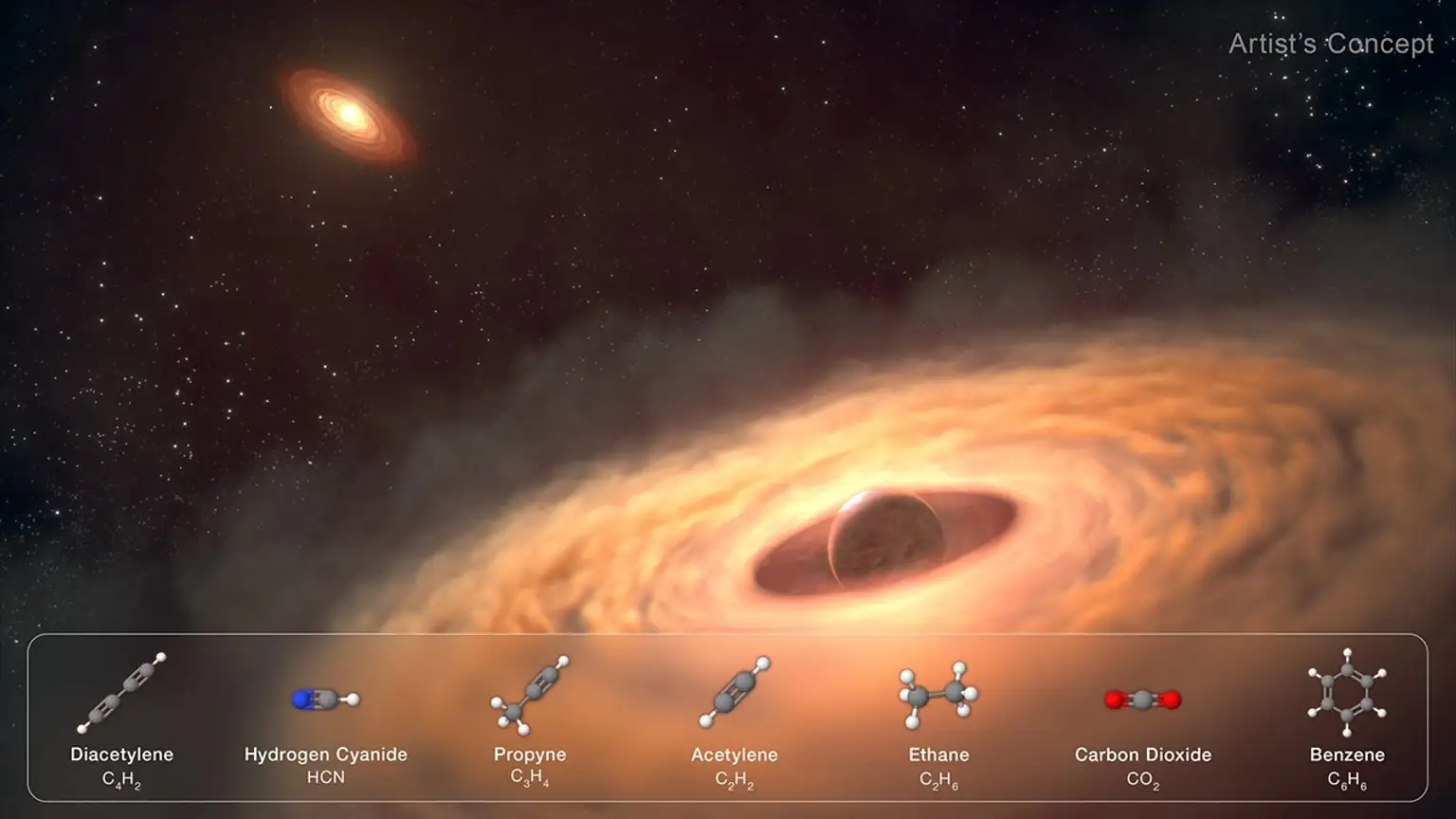
Image credit: NASA
In fact, the discovery of thousands of Exoplanets and the mapping of their Exocosms are helping scientists identify planets that might host alien civilizations. These findings have not only captured the attention of scientists, but also sparked curiosity among readers, writers, and worldbuilders who want to understand the possibilities of life in our universe. If you’re interested in exploring the mysteries of intelligent life beyond our Solar System, the following sections will guide you through the latest theories, evidence, and implications.
The Scientific Foundations for Alien Civilizations
The foundation for understanding potential alien civilizations begins with analyzing planetary environments across the cosmos. Astronomy has uncovered a staggering variety of worlds—gas giants, super-Earths, water worlds, and planets that orbit multiple stars. Excosmology takes this a step further by studying the relationships between stellar radiation, atmospheric composition, geological activity, and other factors that shape an Exocosm. These details matter because each Exocosm determines whether a planet could sustain life, let alone advanced civilizations.
Researchers also examine chemical biosignatures such as methane, oxygen imbalance, or unexpected thermal emissions. These clues help identify whether a planet has natural processes or artificial technological activity. For instance, a planet exhibiting industrial-like atmospheric chemicals may be presenting early hints of intelligent life. Although no confirmed detection exists, scientists actively monitor targets identified by the Kepler and TESS missions, preparing future telescopes for closer analysis.
How Exoplanets and Exocosms Shape Civilizational Potential
Every alien civilization would be shaped by its local Exocosm. This includes everything from climate stability to tectonic cycles and star type. Planets around stable stars are more likely to support long-term biological evolution. By contrast, planets orbiting volatile stars may face harsh radiation that forces potential civilizations underground or into technological adaptation. Excosmology helps researchers propose realistic models of how life might adapt to unusual environments, expanding our understanding of what alien civilizations might look like.
Worlds rich in water, such as “ocean planets,” could develop aquatic civilizations capable of complex communication. Meanwhile, tidally locked planets may host civilizations adapted to permanent day or night conditions. These planetary attributes show that alien civilizations, if they exist, may not resemble human society at all. They may use forms of communication, biology, and technology beyond our imagination, shaped by their Exoplanets and Exocosms in ways unique to their environments.
Possible Technological Signatures of Alien Civilizations
Scientists searching for alien civilizations often focus on “technosignatures,” which are indicators of advanced technology. These may include unusual radio emissions, heat signatures inconsistent with natural planetary processes, or large-scale megastructures. The possibility of detecting Dyson spheres—hypothetical structures built around a star to capture energy—remains a point of curiosity in Astronomy and Excosmology. Although no confirmed signatures have been found, research continues, guided by organizations and observatories around the world.
Radio telescopes such as those used in SETI (Search for Extraterrestrial Intelligence) continuously scan the sky for signals that appear deliberate or structured. Meanwhile, optical telescopes search for irregular dimming patterns that may be caused by large objects or artificial structures. These efforts require patience and careful analysis, since natural cosmic phenomena often mimic artificial signatures. Still, the possibility of finding even a faint signal keeps this field highly active.
Environmental, Cultural, and Evolutionary Diversity Among Alien Civilizations
Alien civilizations could be shaped by evolutionary pathways far different from those of Earth. Exocosmology suggests that variation in gravity, atmospheric density, chemical availability, and radiation levels could lead to biological forms unfamiliar to us. A civilization living on a high-gravity planet may evolve shorter, stronger bodies, while one living on a world with low gravity may evolve tall and delicate forms.
Culturally, alien societies might develop philosophies, scientific principles, or technological innovations that reflect their unique environmental constraints. Civilizations on planets with abundant resources may pursue exploration, while those on resource-poor worlds may focus on conservation or energy efficiency. The diversity of possible Exocosms in the cosmos almost guarantees diversity among potential civilizations.
What Alien Civilizations Mean for Humanity
If alien civilizations exist, their discovery would reshape Earth’s scientific, cultural, and philosophical landscape. Humanity would no longer view itself as isolated within the cosmos. Instead, we would become part of a larger, interconnected universe filled with life and intelligence. This discovery could drive advancements in propulsion, communication, planetary defense, and even diplomacy. Whether these interactions will be peaceful or challenging remains an open question, often explored in science fiction and speculative research.
The discovery of alien civilizations could also influence religious and ethical frameworks around the world. Humanity may confront questions about the purpose of life, our responsibilities toward other civilizations, and how to interpret our role in the greater cosmos. These reflections are not purely theoretical—they guide discussions in institutions and academic communities as researchers prepare for possible contact scenarios.
Future Technologies That May Reveal Alien Civilizations
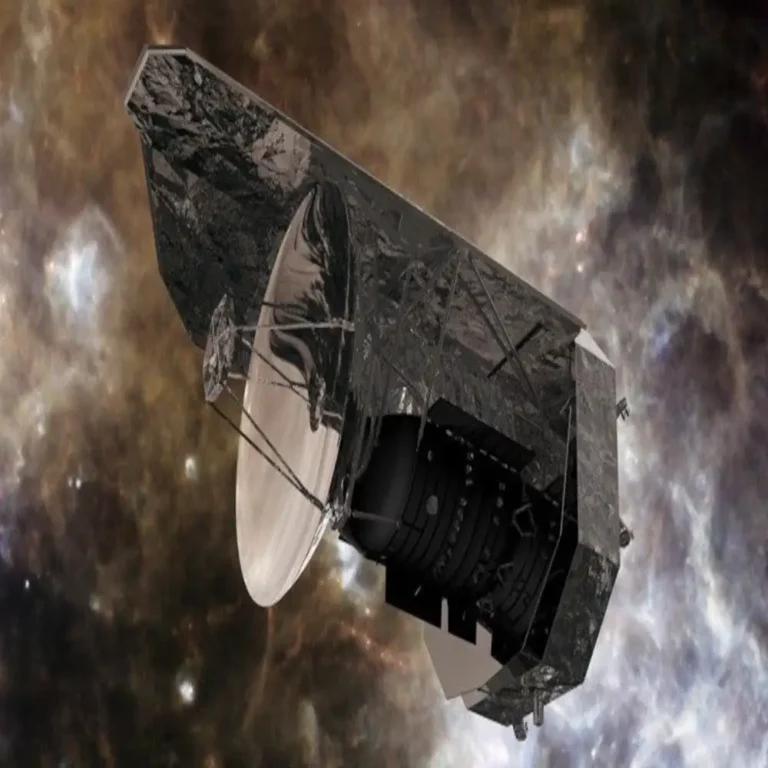
The next generation of space telescopes will revolutionize our ability to detect alien civilizations. Missions such as the Habitable Worlds Observatory and upcoming infrared telescopes aim to collect detailed atmospheric data from distant Exoplanets. By studying chemical imbalances, reflectivity, and heat distribution, these telescopes may be able to identify artificial influences on planetary systems.
Laser-based communication detection, neutrino monitoring, and gravitational wave analysis could also uncover evidence of advanced civilizations. Each new technology opens another window into the cosmos, allowing scientists to search for civilizations that use communication methods beyond radio waves.
Practical Tips for Readers Interested in Alien Civilization Research
If you want to dive deeper into this field, consider exploring publicly accessible resources from major scientific organizations. NASA’s Exoplanet Exploration page and Wikipedia’s article on extraterrestrial life offer excellent starting points for understanding current discoveries and theories. Many universities share open-access papers on Exocosmology, Exoplanet climate models, and technosignature detection.
- NASA: Fantastic Alien Civilizations
- Wikipedia: Extraterrestrial Life
- Online databases from the Kepler and TESS missions
- SETI public research archives
Engaging with these sources will help you stay informed as new discoveries emerge. The search for alien civilizations is one of the most dynamic fields in modern science, and breakthroughs may occur sooner than many expect.
Final Thoughts
The possibility of alien civilizations challenges us to think beyond Earth and consider our place within the vast cosmos. Astronomy, Excosmology, the study of Exoplanets, and the analysis of Exocosms each contribute essential pieces to this scientific puzzle. Whether we discover microbial life, intelligent societies, or evidence of ancient civilizations, the journey itself drives innovation and inspires curiosity.
Image credit: NASA
What do you think? Could alien civilizations already be watching us from distant Exoplanets? Could humanity one day visit them? Share your thoughts and theories in the comments and join the discussion.
FAQ
- How many alien civilizations could exist? Estimates vary widely, but some models suggest thousands may exist across the cosmos.
- Have we detected any alien signals? No confirmed signals exist yet, but many promising observations continue.
- What tools help identify alien civilizations? Telescopes, spectroscopy, radio detection, and atmospheric modeling.
- Are Exoplanets the best places to search? Yes, they provide diverse environments that may host complex life and civilizations.
- What is the role of Excosmology in this research? It helps interpret environmental factors that shape potential alien societies.
Author comment
Please, read original article it’s very interesting and has lots of things you don’t know. Come with me, let’s read it together and venture into the unknown.
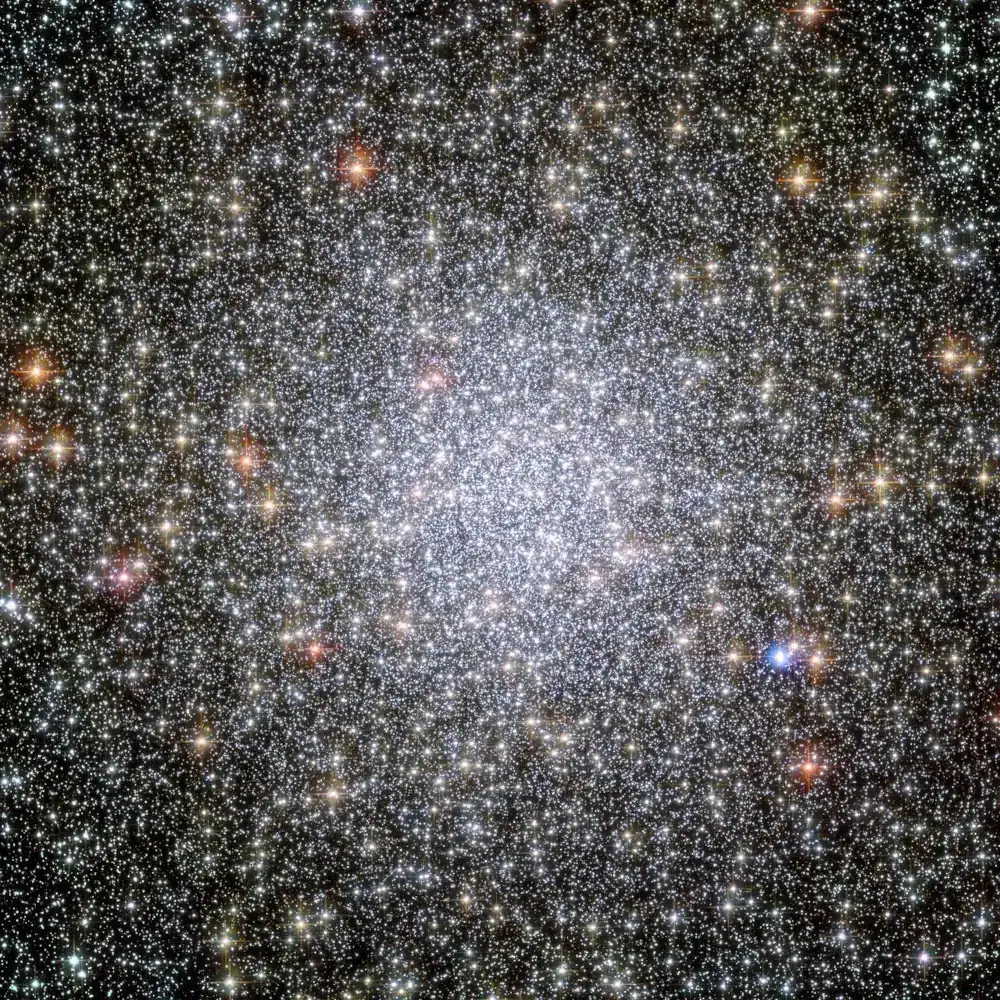
About and credits for the cover image: Globular star clusters like this one, 47 Tucanae, might be excellent places to search for interstellar civilizations. Their crowded nature means intelligent life at our stage of technological advancement could send probes to the nearest stars.
NASA/ESA/Hubble Heritage
Sources:
- https://science.nasa.gov/universe/exoplanets/fantastic-alien-civilizations-and-where-to-find-them/
- https://en.wikipedia.org/wiki/Extraterrestrial_life

HJunior
I am Humberto Junior, SEO Writer, Copywriter, and enthusiastic and passionate about technology, Science fiction, Astronomy, Alien Civilizations, Excosmology, etc future blockchain programmer.
Facebook
Twitter
LinkedIn
Instagram
Youtube
Edit Template