Engineered Arts – Embodied AI: The Future of Social Humanoid Robots Is Here

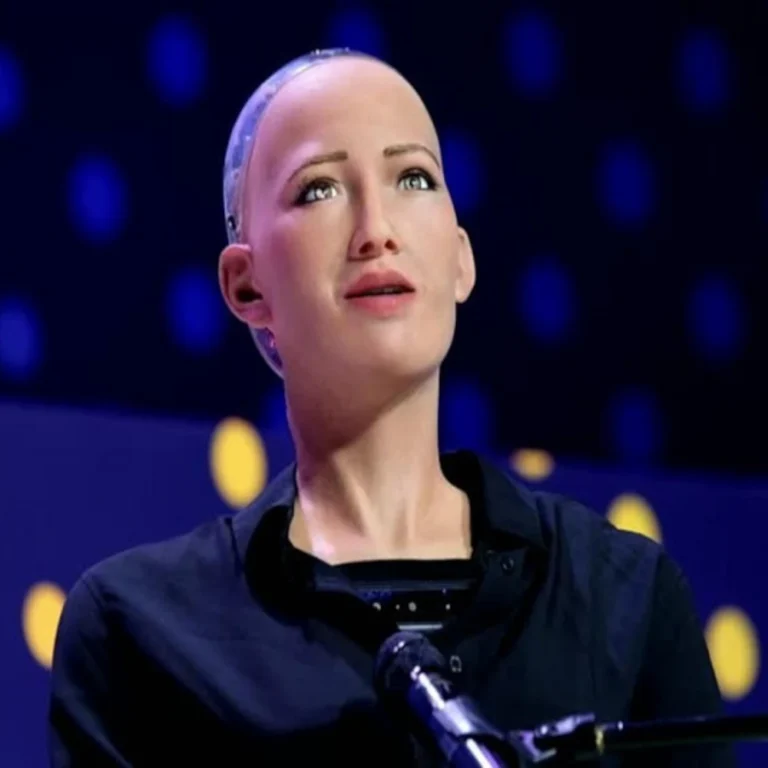
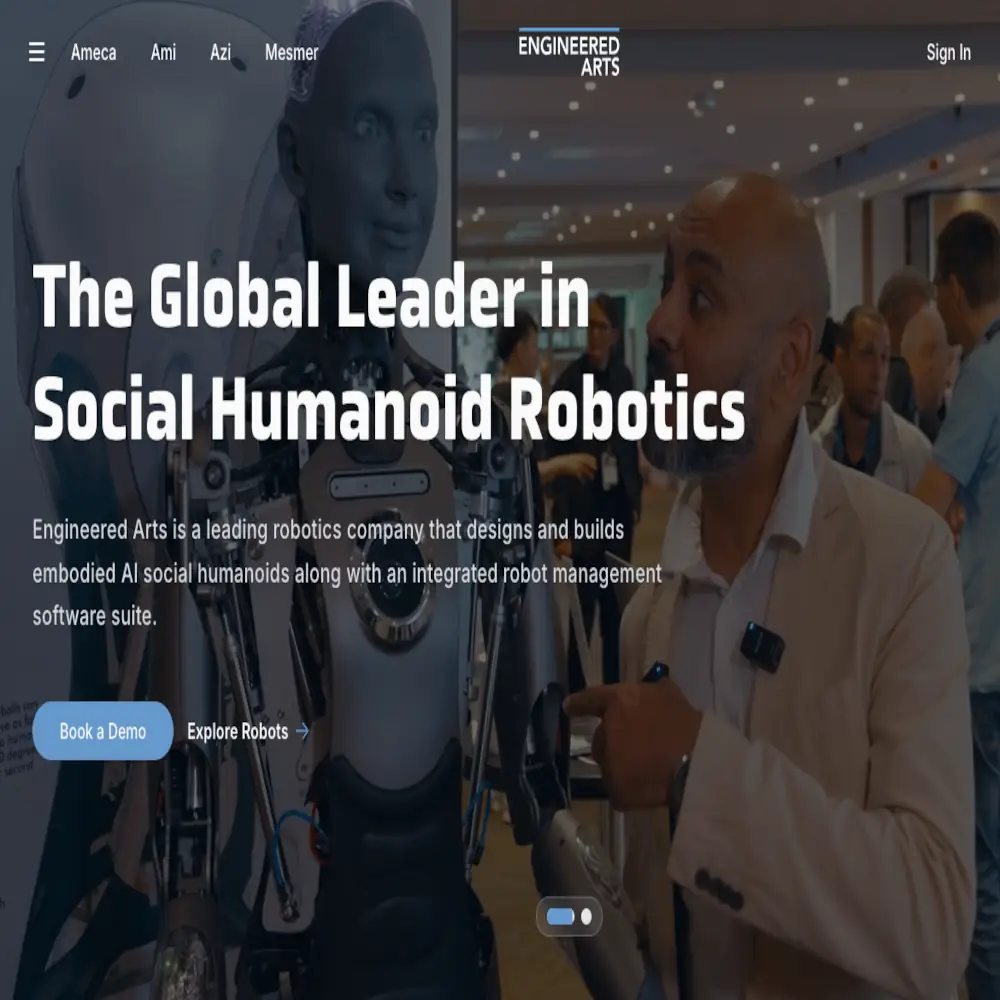
Have you ever watched a science fiction movie featuring lifelike robots and wondered when such technology would become reality? That future is unfolding now at Engineered Arts, a pioneering UK company creating the world’s most advanced social humanoid robots. While other companies focus on industrial automation, Engineered Arts has dedicated over fifteen years to perfecting humanoids designed specifically for human interaction. Their creations represent the cutting edge of embodied intelligence, where sophisticated AI with humanoids creates machines that don’t just perform tasks but engage with people emotionally and socially. From their stunning Ameca robot that displays remarkably human-like facial expressions to their ultra-realistic Mesmer series, these machines are redefining what’s possible in human-robot interaction. The implications extend far beyond technological demonstration, potentially transforming industries from customer service and healthcare to education and entertainment.
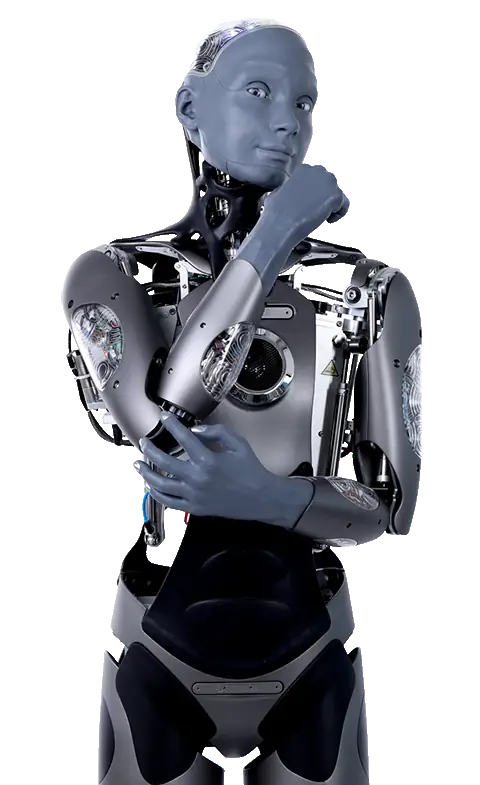
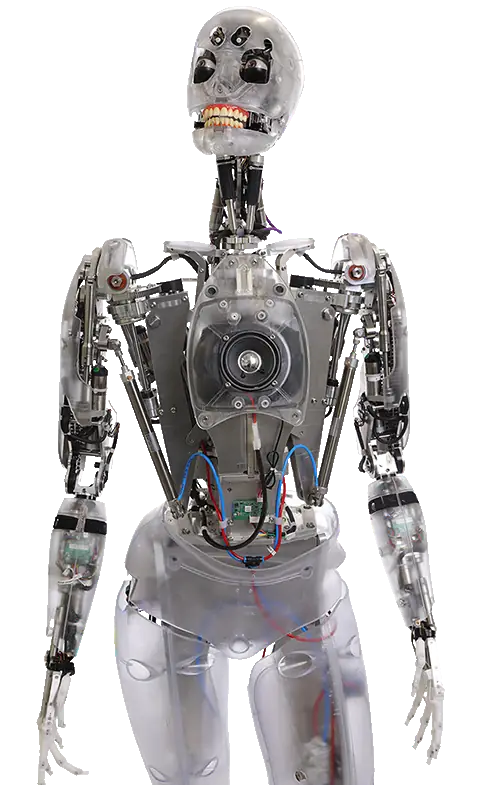
AMECA – The world’s most advanced social humanoid robot
Image Credit: engineeredarts.co.uk
What truly sets Engineered Arts apart is their holistic approach to robotics. They understand that for humanoids to be effective in social environments, they must master the subtle nuances of human communication that go far beyond verbal exchange. Their robots feature sophisticated facial recognition systems that can identify individuals and read emotional states, natural language processing that enables fluid conversation, and motor systems capable of the graceful, intentional movements that make interactions feel genuine rather than mechanical. The integration of advanced AI with humanoids allows these machines to adapt their behavior based on context, maintaining appropriate eye contact, using natural gestures, and responding to social cues in real-time. Unlike the rigid, programmed movements typically associated with robots, Engineered Arts’ creations exhibit a fluidity and responsiveness that begins to bridge the “uncanny valley” that has long separated humans from human-like machines. As we stand at this technological frontier, the company is not only demonstrating what’s possible today but establishing the foundation for how humans and machines will coexist tomorrow.
The Philosophy of Embodied AI: Why Physical Presence Matters in Artificial Intelligence
Engineered Arts operates on a revolutionary principle that challenges conventional approaches to artificial intelligence: intelligence becomes truly powerful and relatable when it has a physical presence in the world. This concept of “embodied AI” suggests that for artificial intelligence to genuinely understand and interact with human beings, it needs to experience the world through a body that can move, gesture, and perceive space as we do. The company’s approach to creating social humanoids reflects this philosophy in every aspect of their design. Their robots aren’t merely AI interfaces with human-like features; they’re complete physical entities that can use the full spectrum of human communication, from subtle facial micro-expressions to purposeful gestures and body language.
The significance of physical embodiment becomes particularly evident when considering the practical applications of integrating sophisticated AI with humanoids designed for social roles. A voice assistant can provide information, but it cannot guide visitors through a museum, demonstrate physical exercises in a healthcare setting, or offer the reassuring presence that sometimes matters more than the words being spoken. Engineered Arts designs their robots with these capabilities at the core, recognizing that much of human communication and connection happens non-verbally. The careful timing of a head tilt, an appropriately raised eyebrow, or natural-looking eye contact can transform an interaction from transactional to relational. This philosophical foundation informs not just how their robots appear, but how they move, respond, and ultimately build rapport with human beings across various settings including education, healthcare, retail, and public spaces.
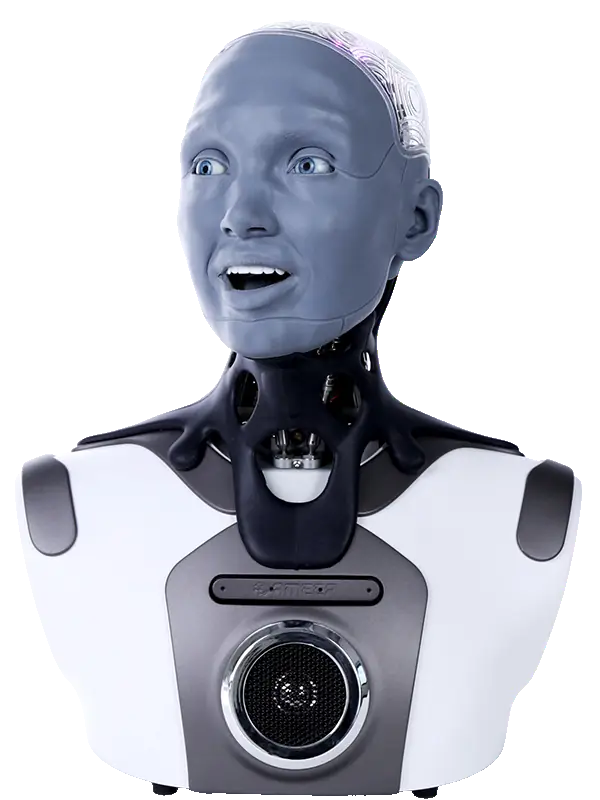
AMECADESKTOP – Desktop version of our flagship humanoid robot
Image Credit: engineeredarts.co.uk
Meet the Family: Engineered Arts’ Groundbreaking Humanoid Robots
Engineered Arts has developed a remarkable family of social humanoids, each designed with specific capabilities and applications in mind. Their most famous creation, Ameca, represents the pinnacle of their expressive robotics technology. With an incredibly sophisticated facial articulation system, Ameca can display a wide range of nuanced expressions that make interactions feel surprisingly authentic and engaging. Then there’s Mesmer, which features hyper-realistic silicone skin and detailed facial features that closely mimic human appearance and movement, creating an almost eerie resemblance to actual people. For research and development purposes, they offer RoboThespian, a more theatrical platform that has been used in countless research projects and public demonstrations around the world, charming audiences with its performative capabilities.
What unites these different robots is the sophisticated architecture that powers the integration of advanced AI with humanoids. While their physical forms differ significantly, they share the same underlying software platform called Tritium, which manages everything from basic motor control to complex artificial intelligence processes. This modular approach allows researchers, developers, and clients to work with the physical platform that best suits their needs while maintaining access to the same powerful AI capabilities. Whether it’s Ameca’s stunning facial expressions, Mesmer’s remarkable human resemblance, or RoboThespian’s engaging theatrical presence, each robot serves as a testament to Engineered Arts’ commitment to creating machines that don’t just perform functions but facilitate genuine connections. The company continues to evolve each platform based on ongoing research findings and technological advancements, ensuring their family of social robots remains at the absolute forefront of human-robot interaction technology.
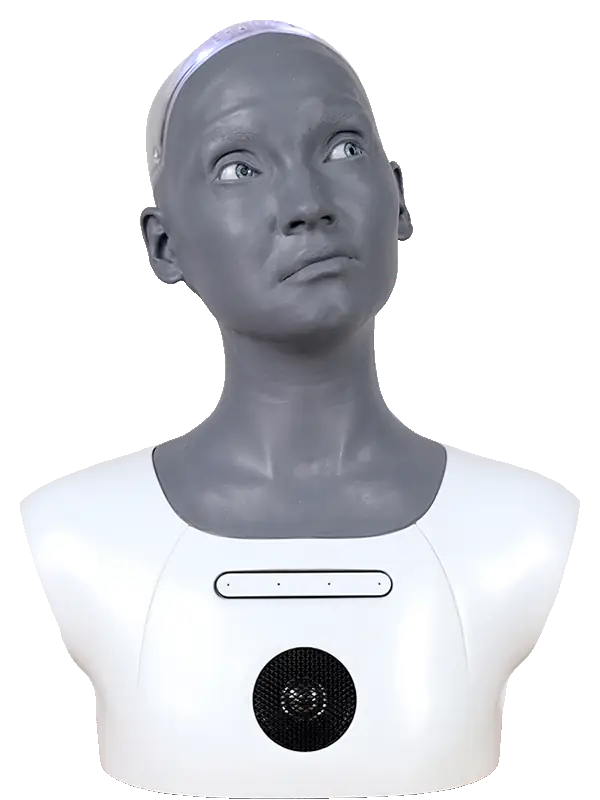
AMIDESKTOP – Female face of desktop humanoid robotics
Image Credit: engineeredarts.co.uk
The Technology Stack: How These Social Robots Actually Work
Creating believable social humanoids requires the seamless integration of multiple advanced technological systems working in perfect harmony. At the hardware level, Engineered Arts’ robots feature sophisticated actuator systems that enable smooth, natural movements rather than the jerky, mechanical motions typically associated with robotics. Their facial articulation systems represent particularly remarkable engineering achievements, with Ameca containing dozens of individual actuators specifically designed and positioned to create nuanced, human-like expressions. The physical design reflects years of intensive research into human biomechanics and social signaling, ensuring that movements appear intentional and natural rather than random or artificial.
The software architecture represents an equally impressive achievement in the integration of sophisticated AI with humanoids. The Tritium operating system serves as the central nervous system, coordinating everything from low-level motor controls to high-level cognitive functions. Advanced computer vision systems allow the robots to recognize individual faces, interpret emotional expressions, and understand human gestures and body language. Natural language processing enables fluid conversational abilities, while sophisticated behavior systems determine contextually appropriate responses based on social cues and interaction history. Perhaps most impressively, these complex systems operate in real-time, allowing the robots to engage in natural conversations without the awkward pauses that often characterize human-AI interactions. This seamless integration of cutting-edge hardware and software is what separates Engineered Arts’ creations from other attempts at social robotics and represents a significant milestone in developing machines that can genuinely coexist with humans in social environments.
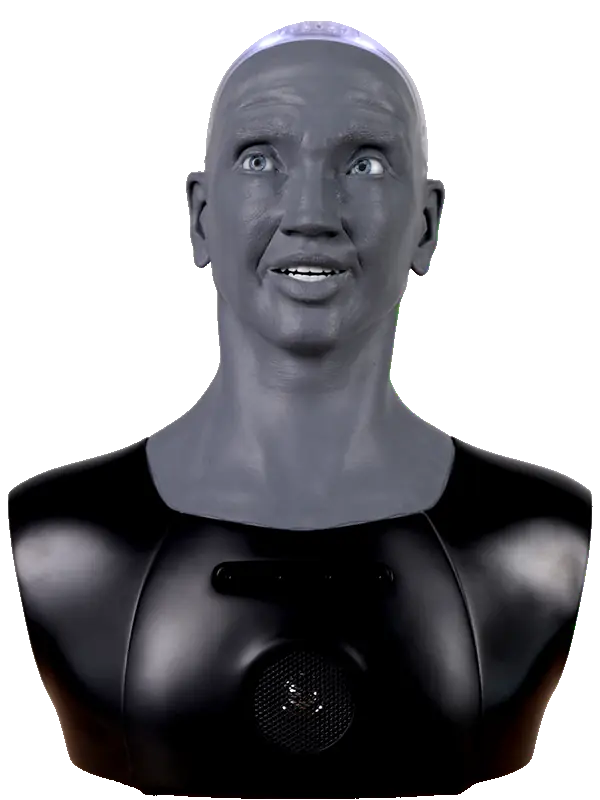
AZIDESKTOP – Male face of desktop humanoid robotics
Image Credit: engineeredarts.co.uk
Real-World Applications: Where Social Humanoids Are Making an Impact
The practical applications for Engineered Arts’ social robots extend across numerous industries and settings, demonstrating their versatility and potential for meaningful impact. In educational environments, these humanoids serve as engaging teaching assistants that can capture students’ attention in ways traditional methods often struggle to achieve. Museums and science centers worldwide have deployed them as interactive exhibits and guides, providing visitors with information while simultaneously demonstrating cutting-edge robotics technology. In healthcare settings, particularly with elderly patients or those with autism spectrum disorder, these robots show significant promise as therapeutic companions that can provide consistent, non-judgmental interaction and engagement.
The successful integration of advanced AI with humanoids in these diverse environments highlights the versatility of Engineered Arts’ approach. Unlike specialized industrial robots designed for single repetitive tasks, these social machines are general-purpose platforms that can be adapted to various roles primarily through software modifications rather than hardware changes. This flexibility makes them particularly valuable as research platforms, allowing scientists to study human-robot interaction across different contexts, cultures, and applications. As the technology continues to evolve, we’re likely to see these robots taking on increasingly sophisticated roles in society, potentially addressing significant challenges like caregiver shortages, educational accessibility limitations, and even growing issues of social isolation. The key to their successful deployment across these domains lies in their ability to complement rather than replace human capabilities, serving as tools that enhance rather than diminish our human experiences and connections.
Future Development: Where Social Robotics Is Heading Next
Engineered Arts continues to push the boundaries of what’s possible with social robotics, with several clear directions for future development already in progress. One major focus area involves enhancing the cognitive capabilities of their systems, particularly in the realms of contextual understanding and long-term memory. Future iterations of their humanoids will likely be able to remember past interactions with specific individuals and use that information to personalize and enrich future conversations. Another significant development area involves mobility—while current models are primarily stationary, future versions may incorporate advanced locomotion systems that allow them to navigate human spaces safely, naturally, and autonomously.
The continued evolution of sophisticated AI with humanoids will also increasingly focus on emotional intelligence and cultural adaptation capabilities. Future social robots will need to understand not just what people say, but how they feel, and adjust their responses and behavior accordingly. They’ll also need to recognize and respectfully adapt to cultural differences in communication styles, personal space preferences, and social norms. As these robots become more advanced and capable, we can reasonably expect them to take on more complex social roles, potentially serving as personalized tutors, therapeutic assistants, or even companions for those experiencing social isolation. Engineered Arts’ open development approach, which actively encourages external research and customization, means that advancements in artificial intelligence from the broader technology community can be rapidly incorporated into their physical platforms, significantly accelerating the pace of innovation in this exciting and rapidly evolving field.
MESMER – Customize the look to your business specific needs
Image Credit: engineeredarts.co.uk
Ethical Considerations: Navigating the Complexities of Social Robots
As Engineered Arts’ technology advances and becomes more sophisticated, it raises important ethical questions that society must thoughtfully confront and address. The creation of humanoids that can form genuine-seeming emotional connections with people brings legitimate concerns about attachment, dependency, and the ethics of simulated emotional understanding. Should machines that lack consciousness be permitted to simulate emotional understanding so convincingly? What responsibilities do creators bear when their robots interact with vulnerable populations like children, the elderly, or those with cognitive differences? These questions become increasingly urgent as the technology transitions from research laboratories into real-world applications. Engineered Arts has generally maintained a transparent approach to these complex issues, openly discussing both the impressive capabilities and important limitations of their creations.
The development of increasingly sophisticated AI with humanoids also raises significant questions about data privacy and security, as these systems typically require comprehensive sensor arrays including cameras and microphones to function effectively. How is the personal data collected during interactions stored, processed, and protected? Who should have access to recordings of conversations between humans and robots? As these machines become more integrated into daily life and sensitive environments, establishing clear ethical guidelines, privacy standards, and regulatory frameworks will be absolutely essential. Engineered Arts appears cognizant of these responsibilities, designing their systems with privacy considerations in mind and participating in ongoing conversations about the ethical development and deployment of social robotics. The path forward will require continuous, inclusive dialogue between engineers, ethicists, policymakers, and the public to ensure these powerful technologies develop in ways that genuinely serve human wellbeing rather than compromise it.
The Business of Social Robotics: Commercial Applications and Accessibility
While Engineered Arts’ creations represent cutting-edge technology, they are fundamentally commercial products designed for practical applications across various sectors. The company offers different business models, including direct sales for organizations that want to own and operate their robots, as well as rental options for short-term needs like events, exhibitions, or specific research projects. Their clients span multiple industries, including entertainment companies using the robots for film production and theme parks, research institutions studying human-robot interaction, retail brands exploring innovative customer engagement, and educational organizations creating immersive learning experiences.
The pricing structure reflects the sophisticated nature of these social humanoids, positioning them as premium solutions for organizations rather than consumer products. However, Engineered Arts has demonstrated commitment to making their technology accessible to researchers and developers through various programs and partnerships. The continued advancement and scaling of their technology, combined with growing market adoption, will likely lead to more accessible pricing over time, potentially opening up applications in smaller businesses and specialized service areas. As the integration of advanced AI with humanoids becomes more refined and the technology matures, we can expect to see these remarkable machines appearing in more everyday environments, from hotel lobbies and airport information desks to hospital waiting areas and community centers, gradually normalizing human-robot interaction in public spaces.
Frequently Asked Questions About Engineered Arts’ Humanoid Robots
Q: How do these social robots differ from virtual assistants like Siri or Alexa?
A> While virtual assistants are purely software-based, Engineered Arts’ creations are physically embodied robots with expressive faces, natural gestures, and the ability to make appropriate eye contact. This physical presence enables a much richer form of interaction that includes non-verbal communication, making the experience feel more like engaging with another being than with a disembodied device.
Q: Are these robots fully autonomous or remotely controlled by humans?
A> Engineered Arts’ humanoids operate using a sophisticated combination of autonomous systems and human supervision. Their AI can handle many interactions independently, but human operators can monitor sessions and intervene when necessary. This hybrid approach ensures both natural interaction and appropriate oversight, especially important as the technology continues to develop and evolve.
Q: What is the primary purpose behind creating such advanced humanoid robots?
A> These remarkable robots serve multiple important purposes: as research platforms for studying human-robot interaction, as demonstration tools for showcasing the potential of robotics technology, and as practical solutions for roles where an engaging, consistent presence provides unique value. The integration of sophisticated AI with humanoids creates exciting opportunities for applications across education, customer service, healthcare, entertainment, and beyond.
Q: How expensive are these robots and who typically purchases them?
A> As advanced research and commercial platforms, these systems represent significant investments typically made by research institutions, corporations, and organizations rather than individual consumers. The substantial cost reflects the sophisticated technology and custom engineering required to create such advanced social robots capable of genuine human interaction.
Q: What limitations do current social humanoid robots still face?
A> While remarkably advanced, these robots still have limitations in their understanding of complex social contexts, ability to learn continuously from interactions, and physical capabilities like navigation through unstructured environments. However, Engineered Arts continues to address these limitations with each new iteration and software update, steadily expanding what their robots can do.
First look at Ameca , most advanced humanoid robot from @EngineeredArtsLtd Designed as a platform for AI and human robot interaction (HRI) . Will be on show at #ces2022. For more information check https://www.engineeredarts.co.uk/robo… #robot #humanoidrobots #ai
Source
- https://engineeredarts.com/
What applications for social humanoid robots most excite or concern you? Do you see them primarily as helpful assistants in specific fields, or do you have reservations about increasingly human-like machines in social roles? Share your perspective and questions in the comments below!