
Figure 03: The Next Frontier in Humanoid Robotics and Automation

Why This 3rd Generation Robot Changes Everything
The world of robotics is witnessing a seismic shift, and at the epicenter is Figure AI. With the launch of the Figure 03, the company has not just released a new product; it has ushered in the third generation of practical, general-purpose humanoid robots. This is not the clunky, slow-moving automaton of science fiction past, but a sophisticated machine designed to integrate seamlessly into human environments, from factory floors to the very heart of our homes. For investors, researchers, and anyone simply curious about the future, the Figure 03 represents a critical juncture where artificial intelligence meets physical embodiment. We’re going to dive deep into what makes this particular model a game-changer, exploring its new hardware, the revolutionary AI driving it, and the practical implications for industries worldwide. We will also address the burning question on everyone’s mind: what is the figure 03 robot price and how does it compare to its predecessors and competitors? The development of the figure 3 is a monumental achievement, pushing the boundaries of what is possible in bipedal locomotion and manipulation.
The journey from the Figure 01 concept to the fully realized Figure 03 has been one of rapid, iterative development, a hallmark of the modern AI era. The previous models, while impressive, served largely as proof-of-concept platforms. The Figure 03, however, is being positioned as the first mass-producible humanoid robot, a true “Model T” for the automation age, as some analysts have suggested. This generational leap isn’t just about faster processors or stronger actuators; it’s about achieving a level of dexterity, perception, and autonomy that was previously confined to research labs. This is the closest we have come to a world’s most advanced humanoid robot that is ready to tackle complex, unstructured tasks. Understanding this progression is key to appreciating the true value proposition of the Figure 03, particularly for businesses looking to implement flexible automation solutions.

Image Credit: Figure AI
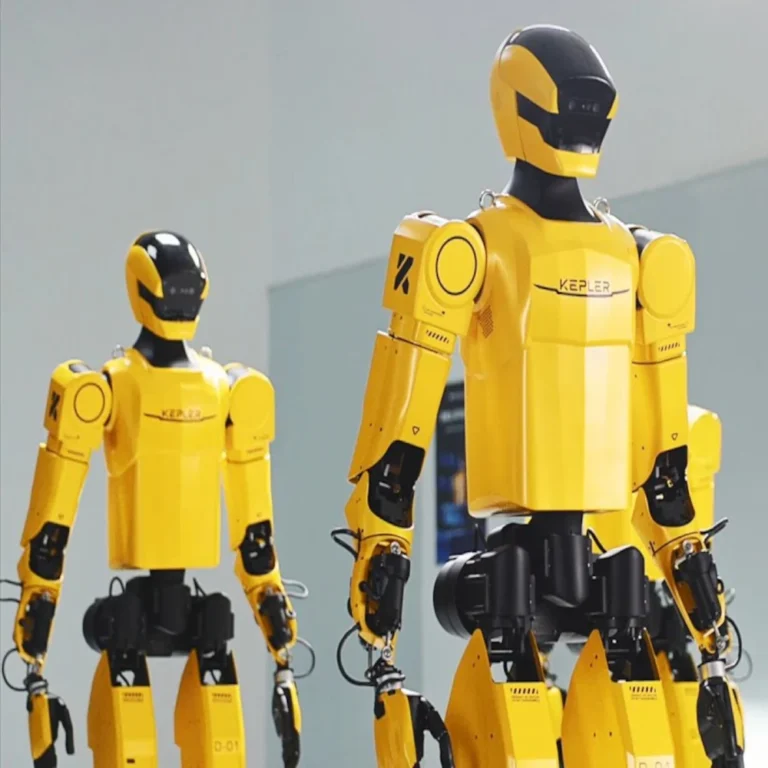
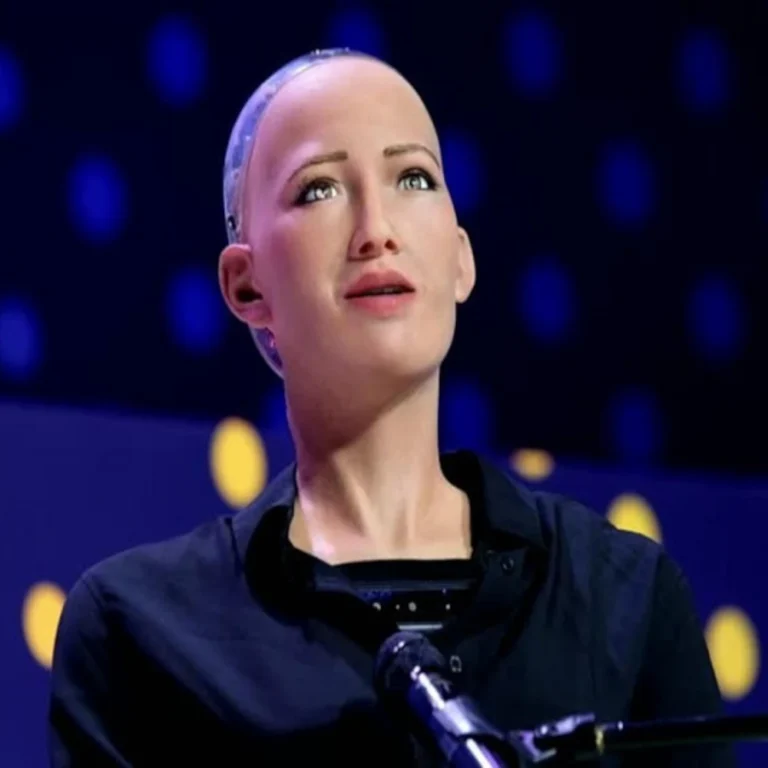
One of the most compelling aspects of the Figure 03 is its design philosophy, which leans heavily into creating a realistic humanoid robot experience. This realism is not merely aesthetic; it is functional. The robot stands at 5’8″ (173cm), a height chosen to navigate human-centric environments, and can carry a payload of up to 20kg. The introduction of “soft goods” in its design—materials that cover joints and sensitive areas—not only improves safety for human co-workers but also contributes to a more natural, less intimidating presence. This subtle but significant design choice is crucial for its eventual deployment in public and domestic settings, where user acceptance is paramount. The Figure 03 is engineered to be a collaborative partner, not just a tool, marking a profound shift in human-robot interaction models. Furthermore, the advancements in the figure 3‘s gait and balance systems are critical for its stability in complex environments.
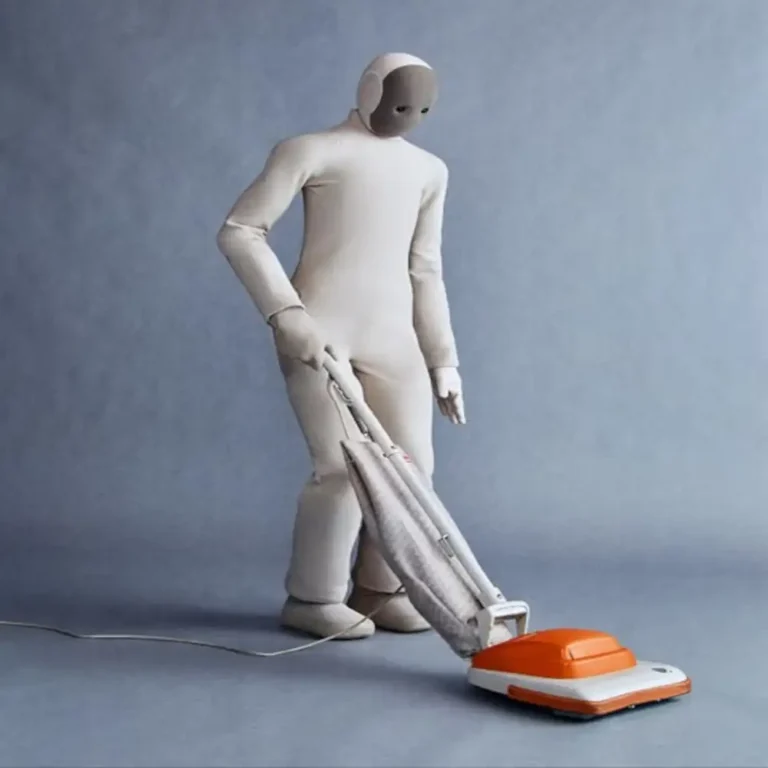
The integration of the Figure 03 into the existing technological landscape is what truly sets it apart. The company’s proprietary AI system, dubbed “Helix,” is the brain behind the machine, enabling sophisticated vision-language-action capabilities. This means the Figure 03 can process natural language commands, understand the context of its environment through advanced vision sensors, and execute complex sequences of actions. Think about the potential for flexible manufacturing: instead of reprogramming a fixed-arm robot for every new product line, a fleet of Figure 03s can be instructed verbally or via a simple interface to adapt to new tasks, making production lines significantly more agile. This level of adaptability is the holy grail of general-purpose robotics and a strong indicator of the Figure 03’s long-term value. The promise of the humanoid cleaning robot is getting closer to reality with every new demo of the Figure 03.
The Technological Leap: Why Figure 03 is a True 3rd Generation System
To fully grasp the magnitude of the Figure 03’s launch, we must look beyond the glossy promotional videos and examine the core technological advancements that define it as a third-generation system. The transition from the first-generation (slow, research-focused) and second-generation (faster, but still limited in dexterity) humanoids to the Figure 03 is marked by three primary breakthroughs: enhanced sensor fusion, vastly improved power efficiency, and the Helix AI system’s ability to handle unstructured data.
The sensor suite on the Figure 03 has seen a radical overhaul. It now features a 60% wider field of view per camera, allowing for better spatial awareness and object recognition in dynamic environments. More importantly, the system employs advanced sensor fusion, combining high-resolution visual data with haptic feedback from the hands and proprioceptive data from the joints. This integrated perception allows the robot to “feel” its way through tasks, a capability essential for delicate operations like handling fragile items or plugging in cables. This is a critical step towards achieving true general-purpose autonomy, as it allows the robot to operate reliably even when visual data is imperfect or occluded. The ability to perform delicate manipulation tasks is a key metric in judging the advancement of any realistic humanoid robot.
Power management is another area where the Figure 03 shines. Previous humanoid models were often tethered or required frequent, lengthy charging cycles, limiting their practical deployment. The Figure 03 introduces the new F.03 battery, which provides approximately five hours of continuous runtime. Coupled with 2 kW fast-charging capabilities, this significantly reduces downtime and increases operational efficiency. Furthermore, the inclusion of wireless charging technology simplifies the logistics of managing a large fleet of these robots, allowing them to top up power simply by standing in designated areas. This focus on practical, long-duration deployment is what transforms the Figure 03 from a lab curiosity into a viable commercial product, making the discussion around the figure 03 robot price more palatable for enterprise clients.
The Helix AI is arguably the most important component. It is a vision-language-action model, meaning it learns from vast datasets of human activity and can translate high-level goals into low-level motor commands. This is fundamentally different from traditional robotics programming, which requires explicit coding for every single action. With Helix, the Figure 03 can generalize skills. For instance, if it learns to pick up a box in a warehouse, it can apply that knowledge to picking up a laundry basket in a home, a crucial feature for any humanoid cleaning robot of the future. This generalization capability is what allows the Figure 03 to claim the title of the world’s most advanced humanoid robot, not just in terms of hardware, but in cognitive flexibility. The rapid iteration from the previous models to the figure 3 showcases this AI-driven development speed.
Engineering Marvel: A Deep Dive into Figure 03’s Actuation and Control
While the AI is the brain, the actuators and control systems are the muscle and nervous system of the Figure 03. The robot features custom-designed, high-torque electric actuators that are both powerful and energy-efficient. Unlike hydraulic systems, which are noisy and maintenance-intensive, the Figure 03 relies on electric motors that offer precise control and quiet operation, essential for a realistic humanoid robot designed for collaborative environments. The joint design incorporates high-resolution encoders, providing the Helix AI with extremely accurate feedback on the robot’s position and force exertion, a necessity for delicate manipulation tasks.
The control system employs a sophisticated balance of model-predictive control (MPC) and reinforcement learning (RL). MPC allows the Figure 03 to plan its movements several steps ahead, ensuring smooth and stable walking, especially when carrying heavy loads or navigating uneven terrain. RL, on the other hand, allows the robot to learn optimal control policies from experience, enabling it to adapt to novel situations without explicit reprogramming. This dual-layer control architecture is what gives the Figure 03 its remarkable stability and agility, a key differentiator that makes it arguably the world’s most advanced humanoid robot in terms of physical performance. The continuous refinement of the control algorithms is a major focus for Figure AI, ensuring that every deployed figure 3 is constantly improving its physical capabilities.
A crucial technical detail is the custom thermal management system. High-performance electric actuators generate significant heat, which can degrade performance and shorten component life. The Figure 03 utilizes an advanced, passive and active cooling system integrated directly into the robot’s chassis. This allows the robot to maintain peak performance even during sustained, high-load activities, such as repetitive lifting or long-distance walking. This engineering focus on reliability and endurance is what makes the figure 03 robot price justifiable for industrial clients who require continuous operation. Without this robust thermal design, the five-hour battery life would be meaningless under real-world working conditions, especially for a potential humanoid cleaning robot working in varied environments.
Practical Applications and the Future of Work
The Figure 03 is not being developed in a vacuum; it is a direct response to global labor shortages and the increasing demand for automation in complex, unstructured environments. The initial target markets are clearly defined, offering a roadmap for its gradual integration into society. Understanding these use cases provides valuable insight into the return on investment (ROI) for potential buyers and helps justify the initial figure 03 robot price.
Logistics and Warehouse Operations: The most immediate and profitable application is in logistics. Warehouses are dynamic, human-designed spaces where traditional automation (like conveyor belts and fixed-arm robots) often struggles. The Figure 03, with its bipedal mobility and human-like hands, can navigate aisles, pick items from shelves designed for humans, and perform tasks like stacking, packing, and operating machinery. This flexibility allows companies to automate the final 10% of tasks that previously required human intervention, unlocking massive efficiency gains. The ability of the Figure 03 to operate existing warehouse infrastructure without costly retrofitting is a major selling point.
Manufacturing and Assembly: In manufacturing, the Figure 03 can perform repetitive, high-precision tasks alongside human workers. Its improved dexterity allows it to handle tools, insert components, and perform quality checks. This is particularly valuable in environments where the work is ergonomically challenging or dangerous for humans. By taking over these tasks, the Figure 03 enhances worker safety and allows human employees to focus on higher-level problem-solving and supervision. The goal is not replacement, but augmentation, creating a more efficient and safer industrial ecosystem.
Domestic and Service Robotics: While the industrial applications are first, the long-term vision includes the Figure 03 as a humanoid cleaning robot in the home. Imagine a robot that can load and unload the dishwasher, fold laundry, and generally manage household chores. The Figure 03’s design, with its soft exterior and quiet operation, is clearly optimized for this future. However, Figure AI has been transparent that the domestic deployment faces significant safety and ethical challenges that are still being solved, making it a future, rather than immediate, application. The development of a truly realistic humanoid robot for the home requires years of rigorous testing.
The versatility of the Figure 03 means that a single model can potentially be deployed across multiple roles within a company, shifting from a logistics task in the morning to a light assembly task in the afternoon. This multi-role capability drastically improves the ROI calculation, making the initial investment in the figure 03 robot price a strategic asset rather than a fixed cost for a single function. This flexibility is what separates the Figure 03 from single-purpose industrial robots.
Addressing the Figure 03 Robot Price and Accessibility
The question of cost is central to the adoption of any new technology, especially one as complex as a third-generation humanoid robot. While the initial prototypes were prohibitively expensive, Figure AI has made a bold move with the Figure 03, aiming for mass-market accessibility. According to initial reports, the starting figure 03 robot price is surprisingly low, aiming for a cost point that caters not only to large corporations but also to researchers, educators, and potentially even small and medium-sized enterprises (SMEs).
Initial reports suggest a starting price around $5,900 for the base model, a figure that has shocked the robotics industry. This aggressive pricing strategy suggests Figure AI is pursuing a volume play, aiming to quickly establish the Figure 03 as the standard platform for humanoid development. For comparison, previous high-end research humanoids often cost hundreds of thousands of dollars. This affordability is a deliberate strategy to flood the market, generating massive amounts of real-world data to rapidly train the Helix AI, thereby creating a powerful feedback loop that further accelerates development. This is a classic Silicon Valley move: prioritize market share and data collection over immediate high margins.
However, it is crucial to understand that the $5,900 price tag likely refers to a basic, research-oriented model. The fully equipped, industrial-grade Figure 03, complete with advanced haptic feedback, extended battery life, and the full Helix AI commercial license, will undoubtedly carry a significantly higher price tag, likely in the tens of thousands of dollars. Even so, the total cost of ownership (TCO) must be calculated against the cost of human labor over a multi-year period. Given the Figure 03’s five-hour runtime and 20kg payload capacity, the ROI in high-throughput environments like logistics can be measured in months, not years, making the figure 03 robot price highly competitive.
For educational institutions and research labs, this accessible price point is revolutionary. It means that universities and even high schools can afford to acquire a realistic humanoid robot platform for teaching advanced robotics, AI, and control systems. This democratization of access will undoubtedly lead to faster innovation and a larger talent pool for the robotics industry, creating a positive long-term cycle for the entire sector. The Figure 03 is, therefore, not just a product, but a catalyst for future research.
The Intelligence Behind the Machine: Helix AI and General-Purpose Autonomy
The hardware of the Figure 03 is impressive, but the real magic lies in its software: the Helix AI system. This system is designed to overcome the “brittleness” that has plagued previous generations of robots—the tendency to fail when faced with a slight variation in the environment or task. Helix achieves this through a novel approach to vision-language-action modeling, moving beyond simple task execution to genuine contextual understanding.
Helix operates on the principle of continuous learning. Every action the Figure 03 performs, whether successful or a failure, feeds back into the central AI model. As more robots are deployed and more tasks are attempted, the collective intelligence of the fleet grows exponentially. This is the power of a general-purpose AI model applied to robotics. Unlike traditional industrial robots that are “dumb” outside of their programmed path, the Figure 03 can infer intent. If a human says, “Tidy up this area,” the robot understands that this involves identifying misplaced objects, distinguishing between trash and tools, and placing items in their correct, learned location. This is the foundation of a truly autonomous humanoid cleaning robot.
A key feature of Helix is its ability to perform “voice reasoning.” The Figure 03 is equipped with an improved audio system that allows for natural language interaction. A human worker can simply tell the robot, “The wrench is missing from the third shelf,” and the robot can process that command, visually locate the wrench, and perform the necessary action. This conversational interface drastically lowers the barrier to entry for using the robot, eliminating the need for complex programming interfaces. This human-centric interaction model is a significant step toward making the world’s most advanced humanoid robot accessible to non-technical users. The advancements in the figure 3‘s AI are what truly define this generational leap.
Furthermore, the Figure 03’s AI is designed with safety as a core constraint. In any collaborative environment, the robot must be able to predict and avoid collisions, recognize human gestures, and respond instantly to emergency stops. Helix incorporates advanced predictive modeling that anticipates human movement, slowing or stopping its actions before a potential hazard occurs. This focus on safety is non-negotiable for commercial deployment and is a major factor in the long-term success of the Figure 03 platform. The development team has prioritized safety over speed in many scenarios, a mature decision that speaks to the commercial viability of this realistic humanoid robot.
The Data Pipeline: How Figure 03’s Fleet Fuels the Helix AI
The true competitive moat for Figure AI is not the hardware, but the data flywheel created by the mass deployment of the Figure 03. The Helix AI is trained on a massive, multimodal dataset that includes video streams of human workers, simulated environments, and, most importantly, real-world experience from the deployed fleet. This data pipeline is meticulously engineered to ensure quality and rapid iteration.
Every Figure 03 in the field acts as a data collection node, continuously streaming anonymized, aggregated data back to the central model. When a robot successfully completes a novel task, that successful trajectory is immediately prioritized for inclusion in the next training batch. Conversely, when a robot fails, the failure data—including the visual input, the command given, and the resulting error—is used to identify weaknesses in the current model. This process of “failure analysis” is crucial for robustness, allowing the Helix AI to quickly learn from mistakes across the entire fleet, a capability that no single human worker or specialized robot can match.
Figure AI utilizes advanced simulation environments to pre-train the Helix model, a process known as “sim-to-real” transfer. Millions of hours of virtual practice allow the figure 3 to learn basic motor skills and object manipulation before ever stepping into a real warehouse. However, the real-world data from the deployed Figure 03 units is what bridges the gap between simulation and reality, accounting for factors like real-world friction, imperfect lighting, and unexpected human interference. This constant feedback loop is what guarantees that the Figure 03 remains the world’s most advanced humanoid robot, constantly learning and adapting at an exponential rate, thereby justifying the initial figure 03 robot price as an investment in a perpetually improving asset.
The Ethical and Societal Implications of Mass Humanoid Deployment
The launch of the Figure 03 is not just an engineering story; it is a profound societal event. The mass deployment of a capable, general-purpose humanoid robot raises critical ethical, economic, and regulatory questions that must be addressed proactively. Ignoring these issues would be a disservice to the technology and the public it is meant to serve.
Economic Disruption and Retraining: The most immediate concern is the potential for job displacement, particularly in repetitive and physically demanding sectors like logistics and manufacturing. While Figure AI argues that the robots fill labor gaps, the reality is that the efficiency gains will inevitably lead to a restructuring of the workforce. This necessitates a proactive approach to workforce retraining, focusing on skills like robot maintenance, supervision, and high-level AI interaction. Governments and educational institutions must collaborate to prepare the current workforce for a future where the figure 03 robot price is less than the long-term cost of human labor. Discussions around Universal Basic Income (UBI) and other social safety nets are becoming increasingly relevant as the Figure 03 proves the commercial viability of general-purpose automation.
Safety and Accountability: Who is responsible when a humanoid cleaning robot makes a mistake? If the Figure 03 causes damage in a warehouse, is the liability with the operator, the manufacturer (Figure AI), or the AI system itself? Clear regulatory frameworks are needed to define accountability in the age of autonomous systems. The Figure 03’s design includes physical safety features, but legal and ethical frameworks must evolve to match the technology’s capabilities. This is a global challenge, and the success of the Figure 03 will depend partly on its ability to operate within evolving legal standards. The concept of “Robot Tort Law” is rapidly moving from academic theory to practical necessity.
Data and Privacy: Although the Figure 03 does not collect PII, its advanced visual and auditory sensors are constantly mapping and interpreting human environments. Even non-personal data—the layout of a factory, the routine of a home, the efficiency of a production line—is highly sensitive. Robust data governance policies are essential to ensure this environmental data is used ethically and securely. The public must be confident that the world’s most advanced humanoid robot is not also the world’s most invasive surveillance tool. Transparency regarding data collection and usage is paramount for public trust. The development of a truly realistic humanoid robot requires a commitment to ethical data practices.
The conversation surrounding the Figure 03 must move beyond technical specifications to include a broad, multidisciplinary discussion about the kind of automated society we want to build. The technology is here; the ethical roadmap must follow quickly. The relatively accessible figure 03 robot price means these robots will enter society faster than many anticipated, accelerating the need for these discussions.
The Competitive Landscape: Figure 03 vs. the Titans
The humanoid robotics space is heating up, with several well-funded companies vying for market dominance. Understanding how the Figure 03 stacks up against key competitors like Tesla’s Optimus, Boston Dynamics’ Atlas (and its commercial spin-offs), and Agility Robotics’ Digit is essential for investors and early adopters. The Figure 03’s competitive advantage lies in its focus on practical, commercial deployment driven by a powerful, general-purpose AI.
Figure 03 vs. Tesla Optimus: Tesla’s Optimus benefits from the company’s massive scale and expertise in electric vehicles and AI. However, Optimus’s development has been closely tied to Tesla’s internal manufacturing needs. The Figure 03, in contrast, is designed from the ground up as a general-purpose platform for external clients. While Optimus might eventually be cheaper due to Tesla’s manufacturing scale, the Figure 03 currently holds the lead in demonstrating complex, general-purpose dexterity and the integration of a mature vision-language-action model (Helix AI). The Figure 03 is arguably the more polished and commercially ready realistic humanoid robot today. The success of the figure 3 will be a major test for the entire sector.
Figure 03 vs. Agility Robotics Digit: Digit is a highly capable bipedal robot focused almost exclusively on logistics and moving boxes. Its design is less “humanoid” and more specialized for warehouse tasks. While Digit is excellent at its niche, the Figure 03’s strength lies in its human-like hands and general-purpose AI, allowing it to perform a much wider array of tasks, including assembly, tool use, and complex manipulation. Digit is a specialized tool; the Figure 03 is a flexible platform, justifying the slight difference in the expected figure 03 robot price for a more versatile machine.
The Figure 03’s greatest differentiator is its combination of an aggressive price point with a sophisticated, general-purpose AI. By making the figure 03 robot price accessible to a wider market, Figure AI is betting that volume and data will win the race. This strategy is designed to make the Figure 03 the default choice for any company seeking the world’s most advanced humanoid robot for flexible automation, positioning it strongly against competitors who may focus on high-cost, specialized solutions.
Detailed Look at Figure 03’s Dexterous Hands and Manipulation
The human hand is one of nature’s most complex engineering marvels, and replicating its dexterity has been the Achilles’ heel of robotics for decades. The Figure 03 makes significant strides in this area, moving beyond simple gripping to genuine manipulation. The hands are not just stronger; they are more sensitive, a crucial feature for any humanoid cleaning robot or factory worker.
The new hands on the Figure 03 feature advanced haptic sensors that provide real-time feedback on pressure, texture, and slippage. This allows the robot to adjust its grip dynamically. For example, when picking up a delicate glass beaker versus a heavy metal tool, the robot can apply the exact necessary force, preventing both breakage and dropping. This level of control is essential for tasks that require fine motor skills, such as plugging in a USB cable, sorting small components, or even folding clothes. The ability to handle these “soft” tasks is what makes the Figure 03 a true general-purpose machine.
Figure AI has also focused on the range of motion. The Figure 03’s wrists and fingers offer a wider range of articulation than previous models, closely mimicking human joint movement. This allows the robot to approach objects from various angles, a necessity in cluttered, real-world environments. This dexterity is not just about speed; it’s about reliability and the ability to recover from unexpected situations. If a component is slightly misplaced on an assembly line, the Figure 03 can adapt its grip and angle of approach, whereas a less capable robot would simply fail the task. This robustness is a key factor in the ROI and a major selling point that helps justify the figure 03 robot price for industrial clients.
The development of these hands is a testament to the integrated approach of the Figure 03. The hardware (the hands) is useless without the software (Helix AI) that interprets the haptic data and translates it into precise motor commands. This synergy between the physical and the digital is what defines the Figure 03 as the world’s most advanced humanoid robot, capable of performing tasks that require the subtle touch and judgment previously reserved for humans. The hands are the interface between the AI brain and the physical world, making them one of the most important components of this realistic humanoid robot.
Integrating Figure 03 into Existing Infrastructure: A Guide for Businesses
For businesses considering adoption, the most important question is not “Can it work?” but “How quickly and easily can it integrate into my existing operation?” The Figure 03 is designed for minimal infrastructure change, a feature that drastically reduces the initial friction of adoption and improves the ROI calculation, even with the initial figure 03 robot price.
The Figure 03’s human form factor is its greatest integration advantage. It operates on the same floor space, uses the same doors, navigates the same aisles, and interacts with the same tools and machinery designed for human workers. There is no need to redesign shelving, conveyor belts, or safety cages. This “drop-in” compatibility means deployment can be measured in days or weeks, not months or years, as is often the case with traditional, fixed automation systems. This speed of deployment is critical in fast-moving sectors like e-commerce and logistics.
Furthermore, the conversational interface powered by Helix AI simplifies the training process. Instead of requiring specialized robotics engineers to program complex sequences, a floor manager can, in many cases, simply demonstrate the task or give a high-level verbal command. The robot learns by observation and instruction, a process known as “imitation learning.” This dramatically reduces the reliance on highly specialized technical staff, making the Figure 03 a truly accessible automation solution. This ease of use is a hidden factor that makes the figure 03 robot price a better long-term investment than seemingly cheaper, but harder-to-program, alternatives.
For companies with existing enterprise resource planning (ERP) systems, Figure AI is developing APIs to allow the Figure 03 fleet to communicate directly with inventory and management software. This integration ensures that the robots are always working on the highest-priority tasks, optimizing workflow in real-time. Imagine a logistics system that automatically assigns a humanoid cleaning robot to restock a specific shelf as soon as the ERP system registers low inventory. This level of seamless integration turns the Figure 03 from a simple machine into a fully networked, intelligent asset.
The Future of Figure AI: Scaling Production and the Road to AGI
The launch of the Figure 03 is merely the beginning of Figure AI’s ambitious roadmap. The company’s long-term goal is not just to build a better robot, but to create a platform that accelerates the development of Artificial General Intelligence (AGI). The Figure 03 is the physical vessel for this intelligence, and the strategy for scaling production is as critical as the technology itself.
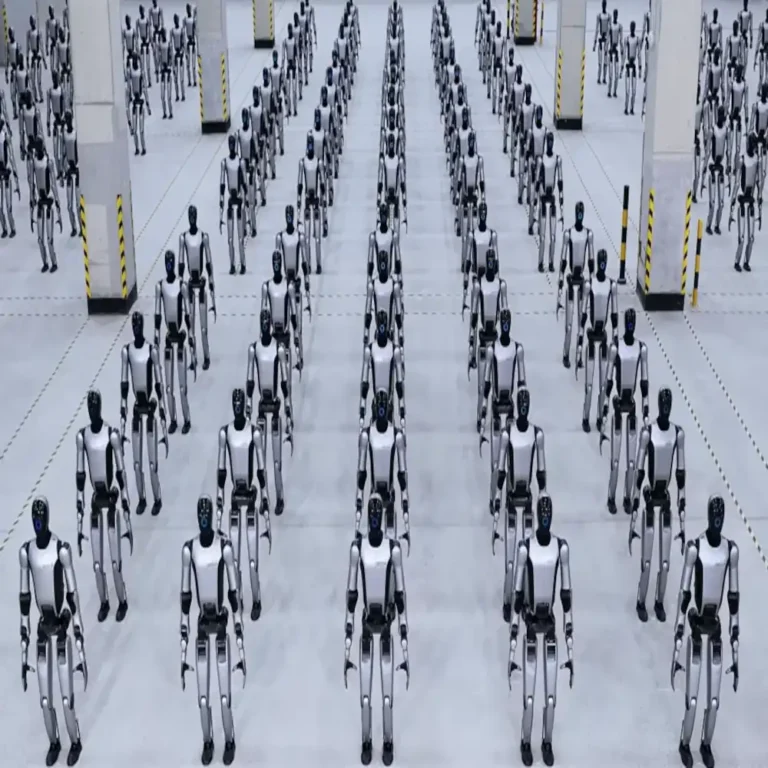
Figure AI is pursuing a vertical integration strategy, aiming to have the Figure 03 eventually build its own production line. This is the ultimate test of the robot’s capabilities: if the realistic humanoid robot can assemble itself, it proves the robustness and versatility of the design. This self-manufacturing loop would drastically reduce the long-term figure 03 robot price and allow for unprecedented scaling, potentially meeting the demand for millions of units worldwide. This strategy is highly aggressive but necessary to achieve the goal of mass deployment. The development of the figure 3 is intrinsically linked to this scaling strategy.
The data collected by the Figure 03 fleet is the true long-term asset. Every successful task, every failed attempt, and every human interaction contributes to the global Helix AI model. This collective learning is what will eventually lead to AGI—an intelligence capable of performing any intellectual task a human can. The Figure 03 is essentially a data-collection node in a massive, distributed learning network. Therefore, the goal is not just to sell robots, but to deploy intelligence, making the Figure 03 the world’s most advanced humanoid robot by virtue of its rapidly accelerating collective intelligence.
The next iterations, Figure 04 and beyond, will likely focus on further miniaturization, increased battery density, and even more sophisticated haptic feedback, pushing the boundaries of what a realistic humanoid robot can achieve. The Figure 03 is the crucial stepping stone, the platform that validates the core technology and proves the commercial viability of general-purpose humanoid automation. The initial figure 03 robot price is an investment in this future, a future where robots are as common and useful as personal computers are today.
The Figure 03 is a statement: the future of robotics is here, and it looks human. Its capabilities, driven by the Helix AI, promise to revolutionize not just industries, but the very structure of human labor and daily life. The conversation is no longer about if general-purpose humanoids will arrive, but how quickly they will integrate. The Figure 03 is accelerating that timeline dramatically.

Image Credit: Figure AI
Frequently Asked Questions (FAQ) about the Figure 03
- What is the Figure 03?The Figure 03 is the third-generation, general-purpose humanoid robot developed by Figure AI. It is designed to perform complex, unstructured tasks in human environments, such as warehouses, factories, and eventually homes, driven by the company’s Helix AI system.
- What is the expected figure 03 robot price?Initial reports suggest the base, research-oriented model may start around $5,900, an aggressive price point aimed at mass adoption and data collection. The fully equipped commercial version will be significantly more expensive, likely in the tens of thousands of dollars, but still highly competitive when calculating long-term ROI against labor costs.
- Is the Figure 03 a humanoid cleaning robot for the home right now?No. While the Figure 03 is designed with domestic tasks in mind (like folding laundry and cleaning), its initial deployment is focused on industrial and logistics environments. Figure AI has stated that significant safety and ethical challenges must be solved before the realistic humanoid robot is ready for mass home deployment. The figure 3 is currently optimized for industrial use cases.
- How does the Figure 03 compare to the Figure 01?The Figure 03 represents a massive leap. It features a new, more efficient battery (5 hours runtime), a 60% wider field of view, soft goods for safety, and the Helix vision-language-action AI. The Figure 01 was a proof-of-concept; the Figure 03 is the first mass-producible, commercially viable platform, positioning it as the world’s most advanced humanoid robot in its class.
Join the Conversation: Your Thoughts on the Figure 03
The launch of the Figure 03 marks a pivotal moment in the history of automation. We want to hear from you. What do you think is the most revolutionary feature of this new realistic humanoid robot?
If you are a business owner, how would the competitive figure 03 robot price change your automation strategy?
Do you believe a humanoid cleaning robot like the Figure 03 will be common in homes within the next decade?
Share your thoughts and predictions in the comments below!
source: https://www.figure.ai/news/introducing-figure-03?utm_source=chatgpt.com