The Enduring Legacy of Halo
When you hear the word
Halo, what comes to mind? For millions, it’s not just a religious symbol or a celestial ring of light. It’s the iconic hum of a plasma sword charging, the sprawling orchestral score, and the visor of a super-soldier known as Master Chief. For over two decades, the
Halo franchise has dominated the landscape of
science fiction, seamlessly blending military lore with ancient mysteries. But its impact stretches far beyond the controller. It’s a masterclass in world-building, a benchmark for multiplayer innovation, and a universe that has thoughtfully explored the relationship between humanity and advanced
tecnology. This deep dive goes beyond a simple review. We’re unpacking the pillars that make this universe so compelling and its lessons so enduring.
The Unforgettable Universe and Its Lasting Cultural Impact
Creating a believable world is the bedrock of great
science fiction. The
Halo universe excels by presenting a future that feels both awe-inspiring and gritty. From the moment players first set foot on the ringworld in “Halo: Combat Evolved,” the stage was set for an epic saga. The United Nations Space Command (UNSC) represents a humanity that is advanced but fragile, while the alien Covenant is a theocratic alliance driven by religious fervor. This clash isn’t just about good versus evil; it’s a complex conflict of ideologies. The franchise’s music, composed by Martin O’Donnell, became instantly recognizable, with the Gregorian chant-like theme evoking a sense of wonder and ancient power. This attention to auditory and visual detail cemented
Halo‘s place not just in gaming, but in popular culture as a whole.
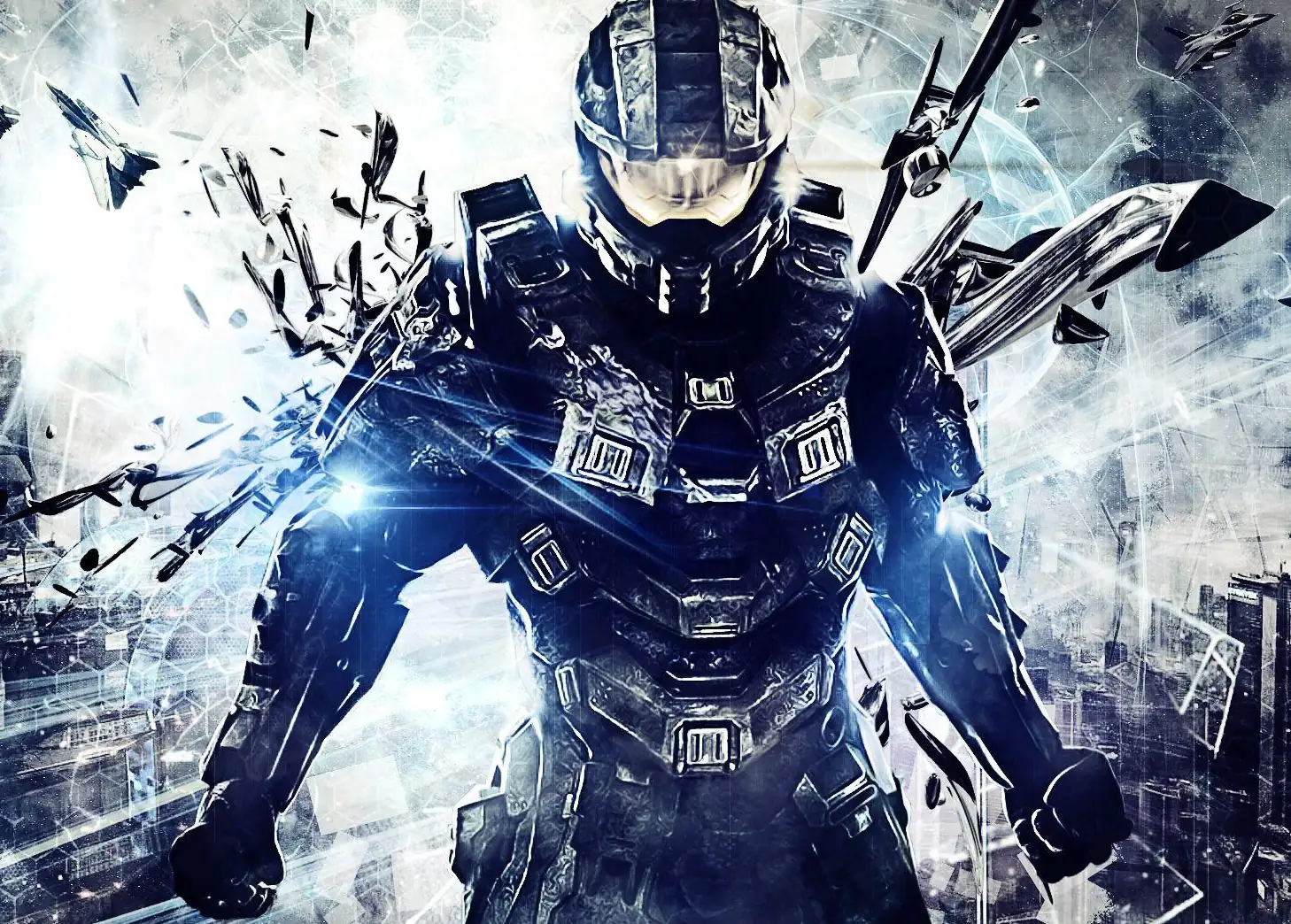
Image Credit: https://wallpaperaccess.com/
The cultural footprint of
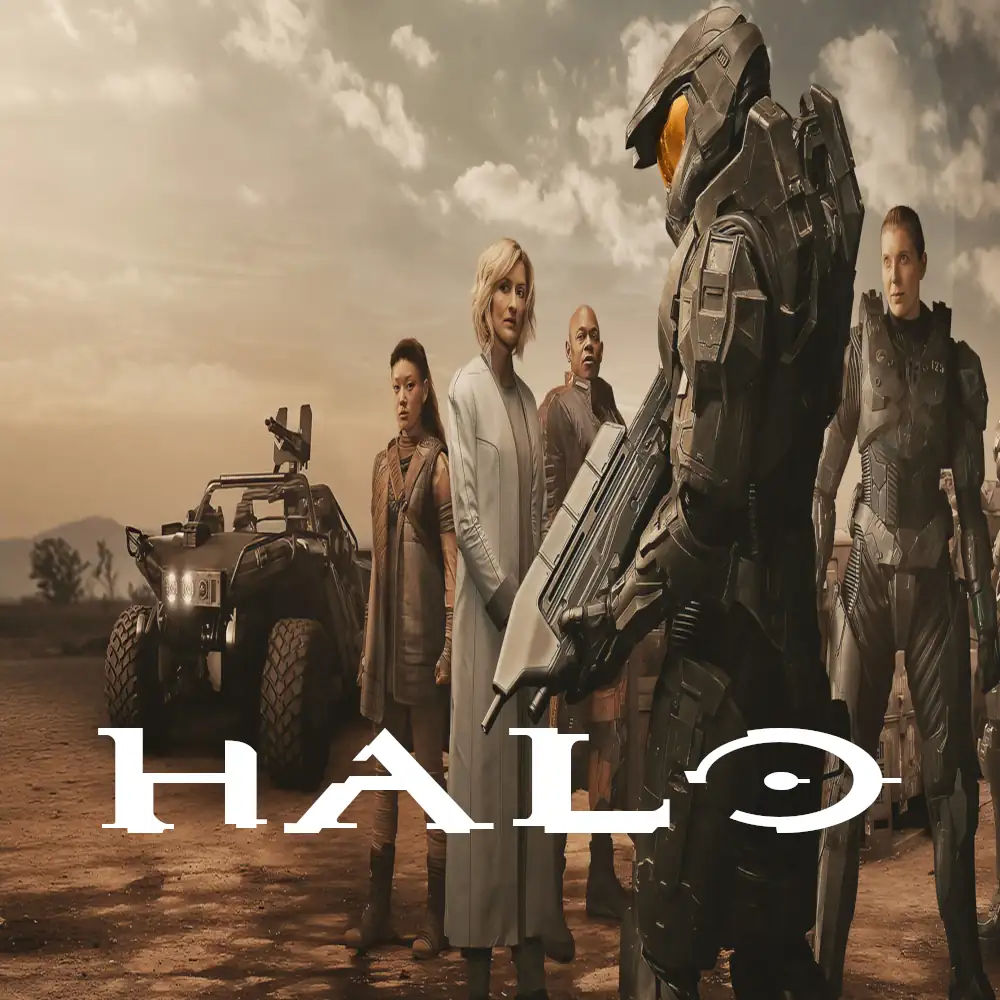
Halo is undeniable. It popularized the concept of LAN parties and was a driving force behind the success of Xbox Live, revolutionizing how we play games online. Phrases like “Finish the Fight” and the name “Master Chief” itself are understood by gamers worldwide. The series has expanded into best-selling novels, comic books, and animated features, each adding layers of depth to the lore. The recent television adaptation on
Netflix has further broadened its reach, introducing the saga to a new generation and reimagining the story for a different medium. This expansion proves the core narrative’s strength and its ability to adapt while maintaining its essential spirit.
Deconstructing Master Chief: The Man Behind the Helmet
At first glance, Master Chief Petty Officer John-117 is the archetypal silent protagonist. Yet, he is one of the most compelling characters in modern
science fiction. His strength isn’t just in his enhanced physicality and MJOLNIR armor, a marvel of military
tecnology, but in his humanity. The genius of his character lies in what he represents: a symbol of hope. We rarely see his face, which allows players to project themselves into his role, becoming the hero. However, through his interactions with Cortana, we see glimpses of the man beneath the metal—a soldier burdened by duty but unwavering in his resolve to protect humanity.
His relationship with Cortana is the emotional core of the original trilogy. She is his guide, his conscience, and ultimately, his friend. This dynamic explores themes of artificial intelligence, consciousness, and what it means to be human. The advanced
tecnology that created them both—the Spartan-II program and the smart AI construct—becomes the vehicle for a deeply personal story. This nuanced character work elevates
Halo from a simple shooter to a narrative with emotional weight and philosophical questions, making players care about the fate of its characters and their universe.
The Evolution of Gameplay and Revolutionary Multiplayer
The original
Halo didn’t just tell a great story; it fundamentally changed how console first-person shooters were designed. Its two-weapon limit, rechargeable shields, and vehicle-based combat became industry standards. The gameplay was a perfect blend of accessible mechanics and strategic depth. The “Golden Tripod” of guns, grenades, and melee attacks gave players a versatile toolkit for any combat situation. This focus on solid, satisfying core loops is a big part of why the gameplay remains so engaging today.
- The Sandbox is Key: Halo’s combat is a physics-driven sandbox. You can hijack vehicles, use a plasma pistol to disable enemy shields, or flip a Warthog to use as cover. This encourages creative problem-solving.
- Weapon Identity: Every weapon, from the precision Battle Rifle to the explosive Fuel Rod Gun, has a distinct role and feel. Mastering the sandbox means understanding when and how to use each tool effectively.
- Map Control in Multiplayer: Success in Halo‘s legendary multiplayer arenas often comes down to controlling power weapons and strategic positions on the map. This adds a layer of tactical thinking to the fast-paced action.
Speaking of multiplayer,
Halo set the gold standard. “Halo: Combat Evolved” popularized system-link play, while “Halo 2” built the foundational framework for Xbox Live, complete with matchmaking, parties, and competitive rankings. Maps like Blood Gulch and Lockout became iconic battlegrounds, and game modes like Capture the Flag and Slayer defined online social gaming for a generation. The franchise’s Forge mode later gave players unprecedented tools to create their own maps and modes, fostering a vibrant and enduring community.
Beyond the Ring: Halo’s Foray into Television and Other Media
A universe as rich as
Halo‘s was destined for adaptation. The live-action series, available on platforms like
Netflix, represents a significant moment for the franchise. It takes a bold approach by presenting a separate “Silver Timeline,” allowing the show to explore characters and events in new ways without being strictly bound by the games’ canon. This decision, while controversial for some purists, offers a fresh perspective for both new audiences and longtime fans. It delves deeper into the personal journey of John as he uncovers his own buried humanity, a storyline that the games often only implied.
This expansion into television highlights the enduring appeal of the
Halo science fiction setting. It demonstrates how the core themes—the cost of war, the ethics of creating super-soldiers, and the fear of the unknown—are universal and adaptable. The series serves as a gateway, potentially drawing new fans into the deeper lore of the games and novels. For any content creator, the success of the
Halo show is a lesson in brand evolution: respecting the source material while having the courage to reinterpret it for a new medium and audience.
Actionable Insights for Content Creators from the Halo Playbook
So, what can we, as creators and strategists, learn from the success of the
Halo franchise? Its longevity isn’t an accident; it’s the result of deliberate design choices that can be applied to content creation.
- Build a Cohesive World: Just as Halo has a consistent aesthetic and internal logic, your content should have a strong, recognizable brand voice and visual identity that resonates with your audience.
- Focus on a Core, Quality Loop: The satisfying gameplay loop of Halo is like a well-crafted blog post or video format. Identify what your audience enjoys most about your content and refine that core experience until it’s exceptional.
- Foster Community: Halo’s community is its lifeblood. Encourage interaction, listen to feedback, and create spaces for your audience to connect with you and each other. This builds loyalty that lasts far beyond a single piece of content.
- Don’t Fear Innovation: Halo took risks, like its two-weapon system and focus on console multiplayer. Don’t be afraid to try new formats, platforms, or ideas. The tecnology and tools available to creators are always evolving; be willing to experiment with them.
The story of
Halo is a testament to the power of visionary
science fiction. It shows how a compelling universe, memorable characters, and innovative design can create a legacy that transcends its original medium. By applying these lessons, we can strive to create our own work that is not only successful but truly impactful.
Frequently Asked Questions About Halo
- In what order should I experience the Halo story?
For the core narrative, play the games in release order: Halo: Combat Evolved, Halo 2, Halo 3, Halo 4, etc. The novels provide fantastic backstory, with “The Fall of Reach” being a great starting point for deeper lore.
- Is the Halo TV show on Netflix canon to the games?
No, the live-action series exists in its own “Silver Timeline,” which allows it to tell a similar story with key differences in characters and events, offering a new interpretation.
- What makes Halo’s multiplayer so special compared to other shooters?
Its focus on equal starts, map control, and a balanced weapon sandbox creates a highly competitive and skill-based environment that emphasizes teamwork and strategy over individual loadouts.
- Who are the main enemies in Halo?
The primary antagonists are the Covenant, a theocratic alliance of alien races, and the Flood, a parasitic life-form that threatens all sentient life in the galaxy.
- What is the significance of the Halo rings?
Built by an ancient race known as the Forerunners, the Halo rings are super-weapons designed to eradicate all sentient life in the galaxy to starve a parasitic threat known as the Flood, making them a central and terrifying mystery of the series.
Author
I, HJunior, was really impressed when I saw this new series on Netflix this year. I finished the first season very quickly. It was one of the best science fiction series set after 2025. I had seen some short films from the same franchise some time ago, but this series is really very good. If you are reading this now and have reached the end of the article, it means that you are also a science fiction fan like me. Don’t waste any time and check out this season. I hope Netflix renews the franchise for a second season.
What’s your favorite memory from the Halo universe? Was it your first time stepping onto the ring, a legendary multiplayer match, or a moment from the expanded lore? Share your stories in the comments below!