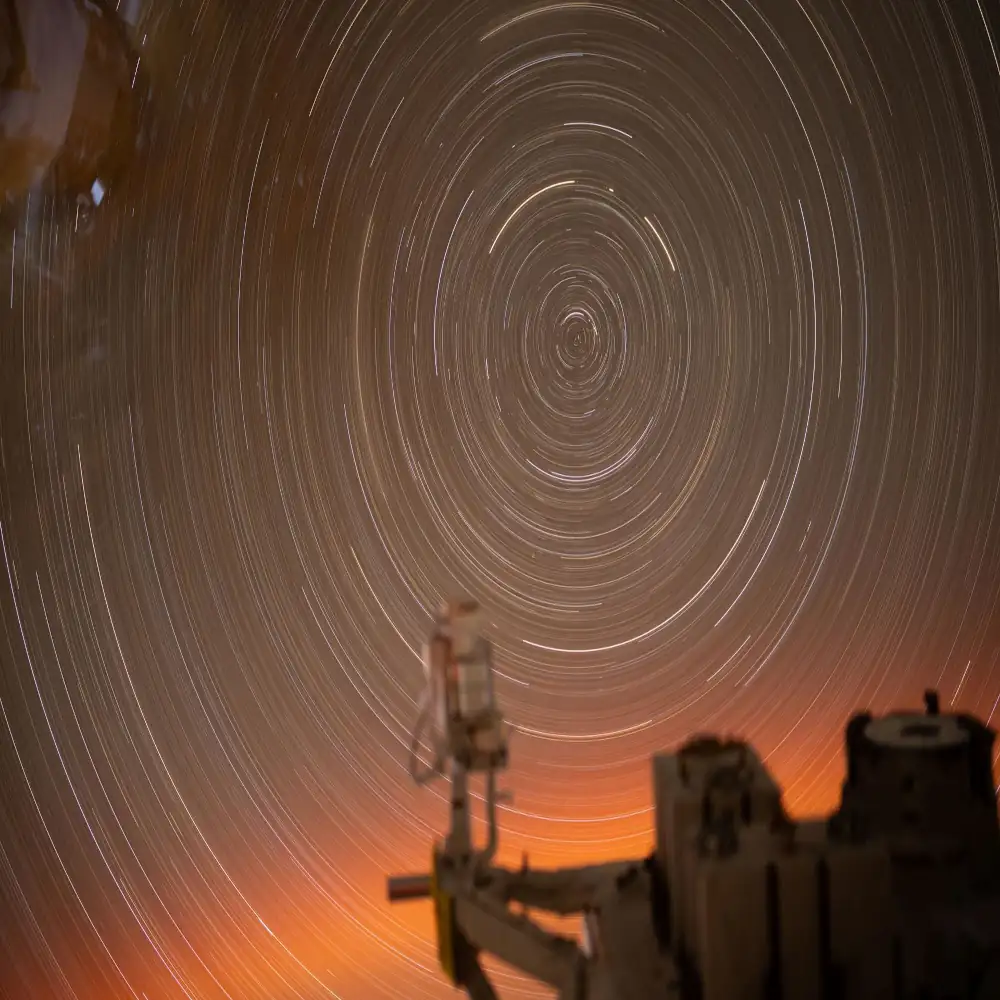
How the ISS Is Preparing Humanity for Deep Space Exploration

How the International Space Station Is Preparing Humanity for Deep Space Exploration
Humanity’s journey into the cosmos has always been driven by an insatiable curiosity and the desire to push beyond known boundaries. As we stand on the edge of a new era in space exploration, with missions planned for the Moon and Mars, one laboratory orbiting 250 miles above Earth has become the cornerstone of preparing humans for deep space travel. NASA and its international partners have maintained continuous human presence aboard the International Space Station for over 25 years, transforming this orbital outpost into humanity’s most important testbed for technologies, biological research, and survival strategies needed for venturing beyond low Earth orbit. Every experiment conducted, every system tested, and every challenge overcome aboard this remarkable facility brings us one step closer to becoming an interplanetary species.
The International Space Station serves as more than just a research laboratory floating in space. It represents a collaborative triumph involving five space agencies from around the world: NASA, the European Space Agency, the Russian Roscosmos, the Japan Aerospace Exploration Agency, and the Canadian Space Agency. This unprecedented international partnership has hosted over 4,000 scientific investigations since its inception, producing more than 4,400 research publications that advance both our understanding of space and life on Earth. In 2024 alone, 361 peer-reviewed publications emerged from research conducted aboard the International Space Station, demonstrating the accelerating pace of discovery happening in microgravity. The knowledge gained from these investigations forms the foundation for NASA’s Artemis program, which aims to establish a sustainable presence on the Moon and eventually send humans to Mars.
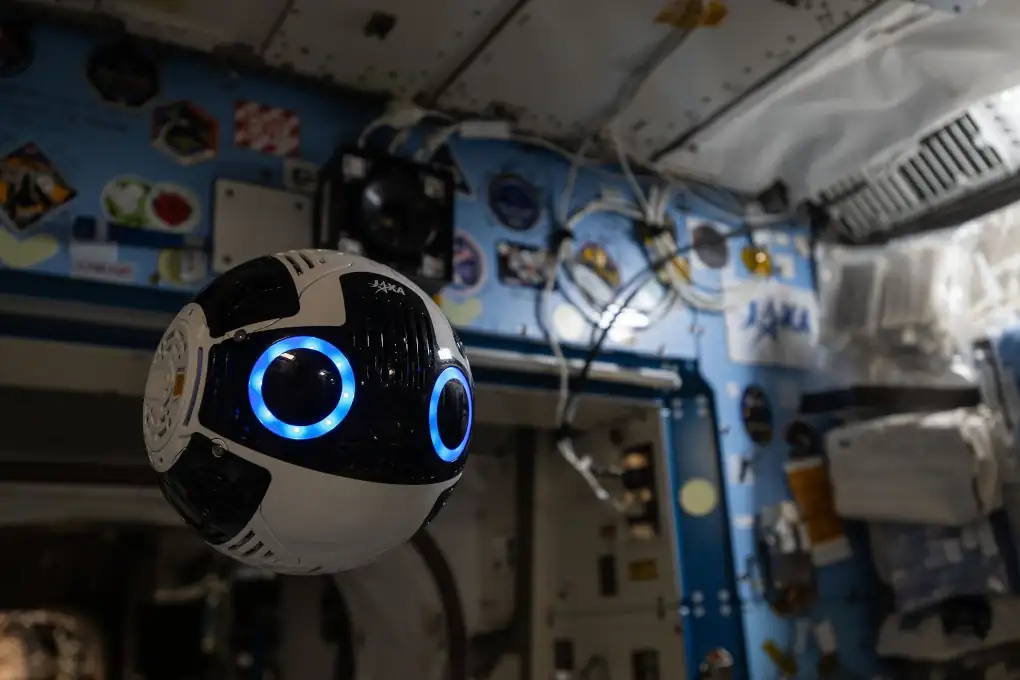
Image Credit: NASA
Mastering Life in Microgravity: The Foundation for Deep Space Travel
Before NASA and its partners could dream of sending humans on multi-year missions to distant worlds, scientists first needed to understand how the human body adapts to extended periods in microgravity. The International Space Station provided the perfect environment for this critical research. Early investigations focused on fundamental challenges that astronauts face daily in space, from simple tasks like drinking water and sleeping to more complex issues involving bone density loss, muscle atrophy, and cardiovascular changes. Without Earth’s gravity constantly pulling on our bodies, fluids shift upward, causing facial puffiness and potentially affecting vision. Research conducted over decades aboard the International Space Station has revealed how these fluid shifts impact the eyes, brain, and cardiovascular system in ways that could compromise astronaut health during long-duration missions.
The insights gained from human physiology research aboard the International Space Station have led to development of effective countermeasures. Astronauts now follow rigorous exercise protocols using specialized equipment designed for microgravity, maintaining muscle mass and bone density better than early space travelers could. NASA scientists discovered that combining resistance training with aerobic exercise, alongside proper nutrition and pharmaceutical interventions when necessary, helps mitigate many negative effects of spaceflight. These protocols, refined through years of testing on the International Space Station, will be essential for crews traveling to Mars, where the journey alone takes approximately nine months each way. Understanding how gravitational transitions affect human performance has also led to fascinating studies simulating Moon landings, clarifying how astronauts’ piloting capabilities and decision-making might be impacted when moving between different gravitational environments.
Beyond physical health, psychological wellbeing presents another critical challenge for deep space missions. The International Space Station provides a unique environment for studying how humans cope with confinement, isolation, and distance from Earth. Recent research revealed that confined and isolating environments can even change how people smell and respond emotionally to food aromas, potentially affecting nutrition and morale during long missions. NASA and partner agencies have used findings from these behavioral health studies to develop better crew selection processes, design more comfortable living spaces, and create communication protocols that help maintain psychological health. As missions venture farther from our planet, the time delay in communications with Earth will increase dramatically, reaching up to 22 minutes each way for Mars. Research aboard the International Space Station helps mission planners understand how crews can maintain autonomy and make critical decisions without immediate support from ground control.
Building Self-Sufficient Systems for Survival Beyond Earth Orbit
One of the most crucial lessons learned aboard the International Space Station involves creating closed-loop life support systems. When traveling to Mars or establishing lunar bases, resupply missions from Earth become impractical due to distance and cost. The International Space Station has served as a proving ground for technologies that recycle air, water, and waste with remarkable efficiency. In a significant milestone, NASA achieved 98% water recovery in the U.S. segment of the station, surpassing the threshold needed for sustainable deep space missions. This system collects moisture from astronaut breath, sweat, and even urine, processing it through multiple stages of filtration and purification until it’s cleaner than most tap water on Earth. The psychological challenge of drinking recycled water has been overcome through years of successful operation, proving the system’s reliability and safety.
Food production represents another area where the International Space Station has made groundbreaking contributions to deep space readiness. Packaged food degrades over time, losing essential nutrients and vitamins that astronauts need to maintain health. NASA researchers have successfully grown over 50 species of plants aboard the station, including leafy greens, tomatoes, peppers, and various grains. These experiments test different growing systems including aeroponic and hydroponic setups that use significantly less water than traditional agriculture. The psychological benefits of tending living plants and eating fresh food also contribute to crew wellbeing. Recent investigations have explored using microbes to produce vital nutrients in orbit through biotechnology, potentially eliminating the need to pack certain vitamins and supplements. These advances in space agriculture, refined through countless experiments on the International Space Station, will enable future Mars colonists to supplement their diets with fresh produce grown in habitats millions of miles from Earth.
Manufacturing capabilities in space have evolved dramatically thanks to research conducted on the International Space Station. The ability to produce tools, spare parts, and structural components on-demand reduces the need to pack every possible item that might be needed during a multi-year mission. Astronauts have successfully 3D printed thousands of plastic parts using various materials, including recycled waste like packaging foam and plastic bags. In 2024, the European Space Agency achieved a significant breakthrough by successfully 3D printing the first metal part aboard the International Space Station, opening new possibilities for creating stronger, more durable components in microgravity. NASA and its partners continue testing advanced manufacturing techniques, including using lunar or Martian regolith as raw material for construction. Future astronauts might 3D print their own habitats upon arriving at their destination, dramatically reducing the mass that needs to be transported from Earth.
Testing Technologies That Will Enable Lunar and Martian Exploration
The connection between research aboard the International Space Station and upcoming Artemis missions runs deeper than many people realize. Before astronauts can explore the Moon’s surface, mission planners need detailed imagery and data about the terrain, radiation environment, and potential hazards. Techniques developed for Crew Earth Observations, where astronauts photograph our planet using handheld cameras, are being adapted for Artemis II, the first crewed mission to orbit the Moon since 1972. Astronauts will capture detailed images of the lunar surface, including the largely unexplored far side, providing critical information for selecting landing sites for future missions. The International Space Station has served as a training ground for these photographic surveys, allowing crews to develop skills and procedures that will transfer directly to lunar operations.
When astronauts finally land on the Moon and eventually Mars, they’ll need protection from radiation, micrometeorites, and the harsh environmental conditions. The International Space Station has hosted experiments testing various habitat concepts, including inflatable structures that pack efficiently for launch but expand to provide ample living space. NASA tested the Bigelow Expandable Activity Module attached to the station for several years, validating the concept’s viability for deep space applications. Researchers have also studied how concrete hardens in reduced gravity, exploring whether traditional construction materials might be used for building permanent structures on other worlds. Perhaps most intriguing, experiments aboard the International Space Station have tested 3D printing nozzles designed to use lunar or Martian soil as construction material, potentially allowing future colonists to manufacture habitats from local resources rather than transporting everything from Earth.
Robotic systems will play an essential role in future space exploration, performing routine maintenance, responding to emergencies, and reducing the number of dangerous spacewalks required. The International Space Station has served as a testing ground for numerous robotic experiments, including small free-flying robots that navigate through the modules, robotic arms that manipulate objects with precision, and artificial intelligence systems that can detect equipment problems before they become critical. In early 2024, a remarkable demonstration took place when a small robot successfully performed simulated surgical procedures aboard the International Space Station, using two “hands” to grasp and cut rubber bands representing tissue. This Robotic Surgery Tech Demo proved that remote surgery might be possible during deep space missions where immediate medical evacuation to Earth isn’t an option. NASA continues advancing robotic capabilities through various investigations, preparing these mechanical assistants for the challenges they’ll face supporting human crews on the Moon and Mars.
Bridging the Gap Between Low Earth Orbit and Deep Space
The true test of technologies developed aboard the International Space Station came during NASA’s Artemis I mission in November 2022, when an uncrewed Orion spacecraft traveled around the Moon. Multiple experiments and technologies first validated on the station made the journey, proving their readiness for deep space operations. Radiation detection systems that had been tested extensively in low Earth orbit confirmed that Orion’s design adequately protects astronauts from harmful cosmic rays and solar particle events. The HERA radiation detector, ESA’s Active Dosimeters, and the AstroRad Vest all performed as expected, validating years of research conducted on the International Space Station. An identical BioSentinel experiment studying how yeast cells respond to different radiation levels flew on both the station and Artemis I, providing direct comparison data between low Earth orbit and deep space environments.
Navigation systems for Orion were calibrated using lunar photographs taken from the International Space Station, ensuring the spacecraft could accurately determine its position even if communication with Earth was temporarily lost. This research exemplifies how the station serves as a stepping stone, allowing NASA to refine systems in the relative safety of low Earth orbit before committing them to missions where astronaut lives depend on flawless performance. Three experiments that landed on the Moon during Firefly Aerospace’s Blue Ghost Mission-1 in early 2025 were made possible by earlier research aboard the International Space Station. These investigations improve space weather monitoring, test computer systems’ ability to recover from radiation-induced errors, and advance lunar navigation technologies that will guide future astronauts across the Moon’s surface.
Looking forward to Artemis II, which will carry four astronauts around the Moon, methods and protocols developed on the International Space Station will play central roles. Human health measurements that crews routinely perform on the station have been adapted for the Artemis II mission, expanding a repository of data showing how spaceflight affects the human body beyond the protective shield of Earth’s magnetosphere. NASA scientists hope to use this growing database to develop personalized medical protocols for each astronaut, potentially including treatments using organ-on-chip technology that’s been tested extensively aboard the International Space Station. These tiny devices replicate the function of human organs, allowing researchers to study how spaceflight affects tissues at the cellular level and test potential countermeasures without requiring large numbers of test subjects.
Recent Breakthroughs Demonstrating the Station’s Continued Value
Despite having operated for over 25 years, the International Space Station continues producing groundbreaking discoveries that push the boundaries of what’s possible in space. In 2024, researchers successfully bioprinted three-dimensional human heart tissue samples using the Redwire BioFabrication Facility aboard the station. This achievement represents a major step toward manufacturing replacement organs in microgravity, where the absence of gravity-induced stress allows cells to organize into more natural three-dimensional structures. The implications extend beyond space exploration, potentially revolutionizing regenerative medicine on Earth. NASA and commercial partners continue refining these bioprinting capabilities, envisioning a future where customized tissues and organs can be manufactured for patients who need transplants.
Materials science has also benefited tremendously from the unique environment aboard the International Space Station. Between February and March 2024, the Flawless Space Fibers-1 system produced over seven miles of optical fiber in microgravity, with one continuous draw exceeding half a mile in length. This shattered the previous record of just 82 feet and demonstrated that commercial-scale fiber production is feasible in orbit. The fibers are made from ZBLAN, a specialized glass alloy that can potentially transmit data with ten times the capacity of traditional silica-based fibers used in terrestrial telecommunications. Because Earth’s gravity causes crystalline defects during manufacturing, ZBLAN fibers produced on the ground don’t achieve their theoretical performance. The International Space Station provides an environment where these advanced materials can reach their full potential, possibly revolutionizing telecommunications infrastructure both in space and on Earth.
Pharmaceutical research represents another area where the International Space Station has delivered impressive results. Bristol Myers Squibb and Eli Lilly have utilized the Pharmaceutical In-space Laboratory facility to crystallize small organic molecules in microgravity with promising outcomes. The absence of sedimentation and convection in microgravity allows protein crystals to grow larger and more uniformly than possible on Earth. These higher-quality crystals enable researchers to determine molecular structures with greater precision, potentially leading to development of more effective medications. NASA continues supporting pharmaceutical investigations aboard the station, recognizing that advances in drug development benefit both space exploration and healthcare on Earth. The International Space Station truly serves dual purposes: preparing humanity for deep space while simultaneously improving life for people who will never leave our planet.
The Road Ahead: From Station to Stars
As NASA and its international partners plan for the eventual retirement of the International Space Station in the early 2030s, the lessons learned and technologies developed over nearly three decades will form the foundation for everything that follows. Commercial space stations currently in development will build upon the operational experience gained from the International Space Station, potentially hosting research, manufacturing, and tourism in low Earth orbit. These commercial facilities, combined with NASA’s planned Gateway station orbiting the Moon, will extend human presence throughout cislunar space. The International Space Station has proven that international cooperation can achieve extraordinary things, establishing a model of collaboration that future space endeavors will likely emulate.
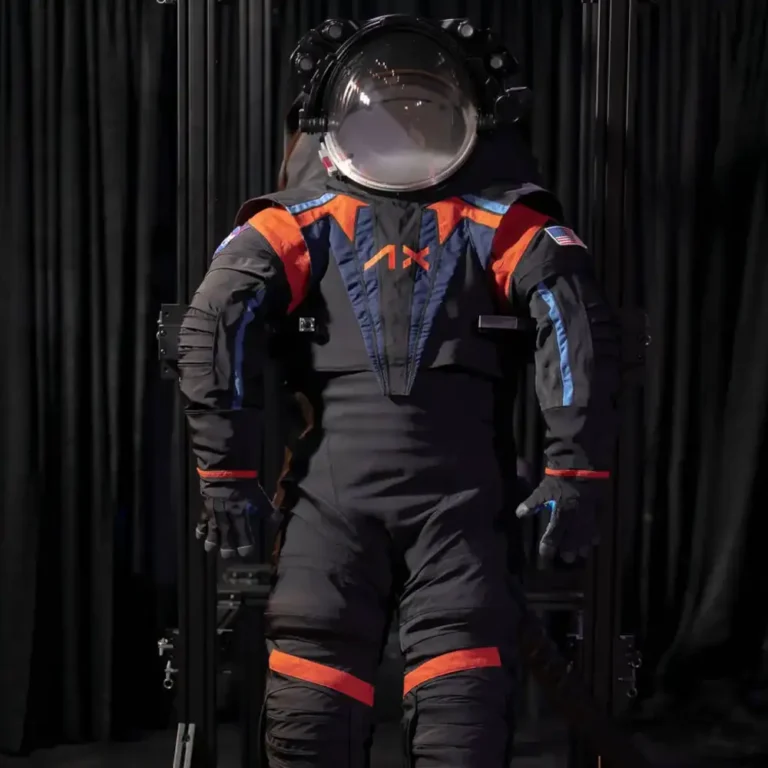
The technologies tested aboard the International Space Station will directly enable the Artemis program’s ambitious goals. NASA plans to establish a permanent base camp on the lunar surface where astronauts can live and work for extended periods, learning to utilize local resources and develop the skills needed for even longer journeys. Every lesson about life support, food production, manufacturing, health maintenance, and psychological wellbeing learned on the International Space Station will transfer to these lunar operations. The Moon, in turn, will serve as a proving ground for Mars missions, where astronauts will face even greater challenges due to the planet’s thin atmosphere, dust storms, extreme temperature swings, and the sheer distance from Earth. Without the decades of research conducted aboard the International Space Station, these ambitious missions would remain in the realm of science fiction rather than becoming achievable objectives.
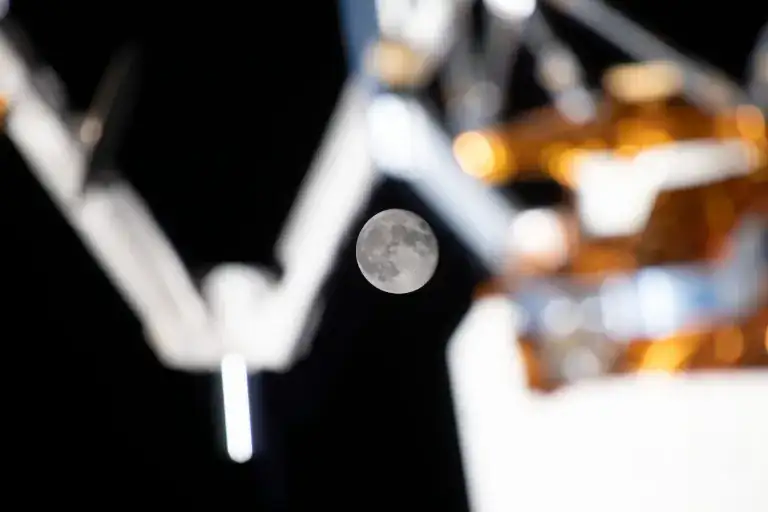
Image Credit: NASA
Frequently Asked Questions About the International Space Station and Deep Space Exploration
- How does research on the International Space Station prepare astronauts for Mars missions?
The International Space Station enables NASA to test life support systems, study long-term health effects of spaceflight, develop food production methods, and validate technologies in microgravity before committing them to missions where resupply from Earth is impossible. Research aboard the station has produced solutions for recycling water and air, growing fresh food, 3D printing tools and parts, and maintaining physical and psychological health during extended missions. These capabilities are essential for Mars journeys that may last three years from departure to return. - What major technological breakthroughs have come from International Space Station research?
Notable achievements include 98% water recovery systems, successful growth of over 50 plant species in space, 3D printing of both plastic and metal parts, bioprinting of human tissue, production of superior optical fibers, pharmaceutical crystallization leading to better drugs, and robotic surgery demonstrations. NASA and its partners have also validated radiation protection systems, developed advanced navigation techniques, and created closed-loop life support that will enable sustainable exploration beyond Earth orbit. - How many countries participate in the International Space Station program?
The International Space Station represents collaboration among 15 countries through five major space agencies: NASA (United States), Roscosmos (Russia), ESA with 11 member nations (European Space Agency), JAXA (Japan), and CSA (Canada). This unprecedented international partnership has maintained continuous human presence in space for over 25 years, demonstrating that nations can work together peacefully on complex scientific and engineering challenges that benefit all of humanity. - What happens to experiments conducted on the International Space Station?
Research results from the International Space Station are published in peer-reviewed scientific journals, with over 4,400 publications to date and 361 in 2024 alone. NASA and its partners make data available to the global scientific community, enabling researchers worldwide to analyze findings and build upon discoveries. Many experiments lead directly to technology improvements on Earth, including better medical treatments, advanced materials, improved agricultural techniques, and enhanced manufacturing processes. Some investigations specifically prepare technologies for deployment on future lunar and Mars missions. - When will NASA send humans to Mars, and how is the International Space Station helping?
While NASA hasn’t announced a specific date for human Mars missions, current planning targets the late 2030s or early 2040s. The International Space Station plays a crucial role by serving as a testbed where technologies must prove their reliability before being trusted for Mars missions. Everything from life support and food production to radiation protection and medical capabilities requires extensive testing in space. The station also helps scientists understand how human bodies adapt to prolonged microgravity and develop countermeasures to keep astronauts healthy during the multi-year journey to Mars and back.
source
- https://www.nasa.gov/missions/station/iss-research/international-space-station-launching-nasa-and-humanity-into-deep-space/
Author comments
Wow, this is such a cool topic. I read about it a while ago, and it was being negotiated with the countries involved, and they were still going to build the International Space Station. Now it’s been a reality for a long time. Check out how cool the interaction with the astronauts is in the links in the sources.
What aspects of International Space Station research excite you most? Do you think the knowledge gained from 25 years of continuous human presence in space has adequately prepared us for missions to the Moon and Mars? Share your thoughts in the comments below about which technologies you believe will prove most critical for deep space exploration. Are there particular challenges facing future astronauts that you think need more research before we venture beyond Earth orbit?