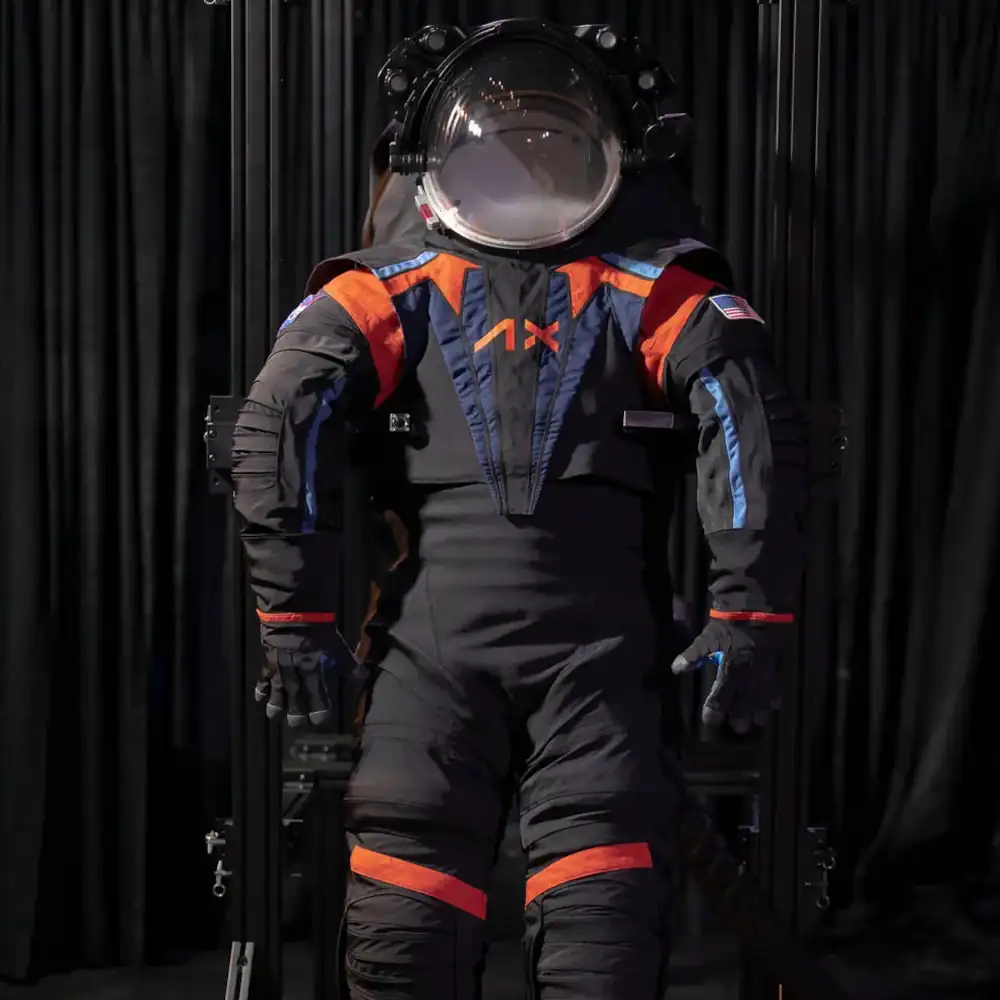
NASA’s New Moon Suit: More Than Just a Spacesuit for Artemis III

Artemis III Moon Surface Mission Debuts
When you picture an astronaut on the Moon, what do you see? For generations, the image has been of a bulky, white figure, hopping gingerly in the low gravity. That iconic image is about to be permanently updated. NASA recently unveiled the next-generation spacesuit prototype for the Artemis III mission, and it’s a technological leap that promises to redefine lunar exploration. This isn’t just an upgrade; it’s a complete reimagining designed to unlock new frontiers for human discovery. The new suit is engineered to be more than life support; it’s a highly mobile, science-gathering platform built to facilitate the kind of real scientific discoveries we’ve only dreamed of until now. The mission of returning to the Moon is fraught with challenges, but with this new gear, NASA is ensuring its astronauts are equipped to perform like never before.
The journey back to the lunar surface is a cornerstone of NASA‘s ambitious plans, and every piece of technology must be perfect. The xEMU (Exploration Extravehicular Mobility Unit) represents over half a century of lessons learned since Apollo. The stark, airless environment of the Moon presents extreme temperatures, abrasive dust, and radiation, all of which this suit must withstand to keep its occupant safe. But safety is just the starting point. The suit’s enhanced mobility and specialized tools are what will truly empower astronauts to conduct intricate geological work, paving the way for profound real scientific discoveries about the history of our solar system. This focus on science is what sets the Artemis program apart, aiming to do more than just plant flags.
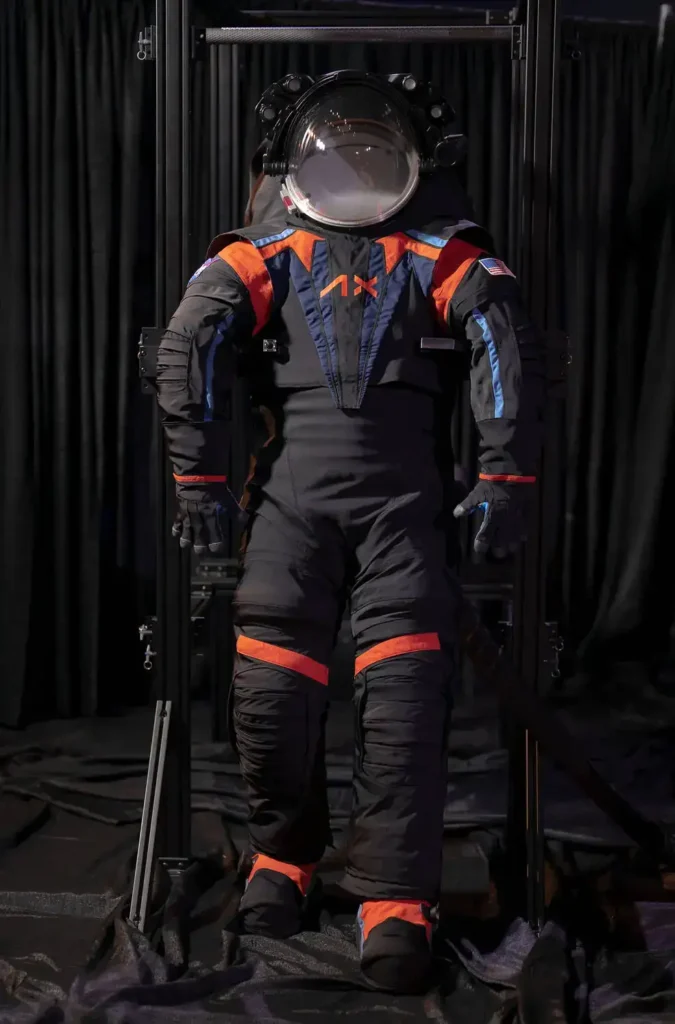
Image Credit: NASA
So, what makes this suit so different? It’s a symphony of advanced materials and human-centered design. From the shoulders down, the xEMU is built for a wider range of motion. Hips can rotate, and astronauts can bend at the waist, movements that were incredibly restrictive in the Apollo-era suits. This flexibility is crucial for tasks like collecting diverse soil and rock samples from the lunar South Pole, a region never before visited by humans and a prime target for real scientific discoveries. The ability to stoop, kneel, and move more naturally will be invaluable as astronauts deploy experiments and navigate the rugged, shadowed terrain where they will search for water ice.
The Engineering Behind the Next Generation Lunar Spacesuit
Delving into the technical specifications reveals why the xEMU is a marvel of modern engineering. The suit operates as a personal spacecraft, with its own power, communications, and life support systems. The Portable Life Support System (PLSS), the backpack-like unit, is a significant advancement. It’s more efficient at removing carbon dioxide, regulating temperature, and recycling water for cooling. This extended capability is vital for the planned longer-duration moonwalks, which are essential for thorough scientific investigation. A key innovation is the suit’s scalability; using advanced digital design and tailoring techniques, NASA can create components that fit a much wider range of body types, promoting inclusivity for the diverse astronaut corps of the future.
One of the most persistent problems from the Apollo missions was lunar dust. This abrasive, glass-like material clung to everything, damaging suit seals and irritating astronauts’ lungs. The xEMU is designed with dust mitigation as a core requirement. Materials have been selected to resist dust adhesion, and new sealing technologies at the suit’s joints will prevent the fine particles from infiltrating the life support system. This is not just a comfort feature; it is a critical safety and longevity upgrade that will protect both the astronauts and the lunar lander’s interior environment. By solving the dust problem, NASA ensures that missions can be longer, safer, and more focused on the goal of achieving real scientific discoveries on the Moon.
How the New Suit Enables Unprecedented Scientific Work
The primary objective of Artemis III is science, and every feature of the xEMU supports this goal. The enhanced mobility allows astronauts to perform delicate sampling techniques that were impossible before. Imagine an astronaut being able to carefully chip away at a rock face inside a permanently shadowed crater, all while maintaining a stable posture. The suit’s gloves offer a degree of dexterity closer to a heavy work glove than the stiff mittens of the past. This tactile sensitivity is crucial for handling delicate instruments and collecting pristine samples that could hold clues to the Moon‘s volcanic history and the presence of resources. These activities are the direct path to the real scientific discoveries that NASA and the global scientific community are eagerly anticipating.
Furthermore, the suit is designed with integrated attachment points for tools and sample containers, making the workflow for a moonwalk, or Extravehicular Activity (EVA), much more efficient. Astronauts won’t have to waste precious time and energy retrieving dropped items. This streamlined approach to fieldwork means more time can be dedicated to the actual science—setting up complex experiments, deploying seismometers to study moonquakes, or drilling for ice cores. The suit itself becomes a mobile science platform, a testament to how engineering is directly enabling a new era of exploration. The data collected will not only inform us about the Moon but also provide critical insights for future missions to Mars.
- Enhanced Joint Mobility: Allows for bending, twisting, and kneeling to collect samples from difficult terrain.
- Advanced Dust Tolerance: Protects critical systems and astronauts from abrasive lunar regolith.
- High-Dexterity Gloves: Provides the fine motor skills needed to operate complex tools and handle delicate specimens.
- Modular Design: Enables suit components to be sized and configured for a diverse range of astronauts.
- Upgraded Life Support: Supports longer moonwalks, increasing the time available for scientific research.
The Critical Role of the Moon in Future Deep Space Exploration
Artemis III is not an isolated event; it is the first step in establishing a sustainable human presence on another world. The lessons learned and the real scientific discoveries made on the Moon are directly applicable to the much more ambitious goal of sending humans to Mars. The lunar South Pole is an analog for the harsh environments we will encounter elsewhere in the solar system. By learning to live and work on the Moon, NASA is developing the protocols, technologies, and operational experience necessary for interplanetary travel. The xEMU suit is a key piece of this puzzle, serving as a testbed for the even more advanced suits that will be needed on the Red Planet.
Moreover, the Moon itself is a treasure trove of resources. Confirming the presence and extractability of water ice is a primary goal. Water can be split into hydrogen and oxygen for rocket fuel and life support, effectively turning the Moon into a cosmic gas station. This capability would drastically reduce the cost and complexity of missions to Mars and beyond. The work done by the Artemis III astronauts in their new suits will be foundational for this future. Their geological surveys and sample analysis will determine the viability of In-Situ Resource Utilization (ISRU), making the ambitious visions of science fiction a tangible reality for NASA and its international partners.
Overcoming the Challenges of the Lunar South Pole
The choice of the lunar South Pole as the landing site for Artemis III is both scientifically exciting and immensely challenging. This region is characterized by extreme light and shadow, with some crater rims experiencing near-constant sunlight while their interiors are in permanent darkness. These “Permanently Shadowed Regions” (PSRs) are where water ice is expected to survive. However, operating in these areas means dealing with cryogenic temperatures that can plunge to -400°F (-240°C). The xEMU’s thermal protection systems must be robust enough to handle these swings, keeping the astronaut safe while they work on the edge of sunlight and darkness, searching for clues that will lead to real scientific discoveries.
Navigating this terrain is another significant hurdle. The low-angle sunlight creates long, deep shadows that can distort depth perception, making it difficult to judge distances and identify hazards. The suit’s boots are being designed with advanced traction to handle loose, slippery slopes. Furthermore, mission planners are using data from the Lunar Reconnaissance Orbiter (LRO) to create detailed maps of the landing area. This combination of robust suit design and precise orbital intelligence will be critical for guiding the astronauts safely as they conduct their historic exploration, pushing the boundaries of what is possible for NASA and human spaceflight on the Moon.

Image Credit: NASA
Real Scientific Discoveries We Hope to Unlock
The potential for groundbreaking real scientific discoveries with the Artemis III mission is immense. By collecting samples from the South Pole Aitken Basin, one of the largest and oldest impact craters in the solar system, scientists hope to peer back in time. These rocks could contain a record of the Late Heavy Bombardment, a period about 4 billion years ago when the inner solar was pummeled by asteroids. Understanding this period is key to unraveling the early history of Earth and the emergence of life. The work done by NASA astronauts in their new, capable suits will provide a physical record of this ancient era, offering insights unavailable from anywhere else.
Another primary target is, of course, water ice. Confirming its presence, abundance, and form will be a discovery of monumental importance. It’s not just about resources for future missions; it’s about planetary science. How did water get to the Moon? Is it primarily from cometary impacts or solar wind interacting with the regolith? Analyzing these samples could help us understand the delivery of water throughout the solar system, including to early Earth. Each sample bagged and experiment deployed during the Artemis III moonwalks will be a step toward answering these fundamental questions, cementing the legacy of NASA‘s return to the Moon as a quest for profound real scientific discoveries.
What aspect of the new Artemis spacesuit are you most excited about? Do you think the search for water ice will be the most important scientific goal, or are you more intrigued by the geological secrets of the ancient Moon? Share your thoughts in the comments below!
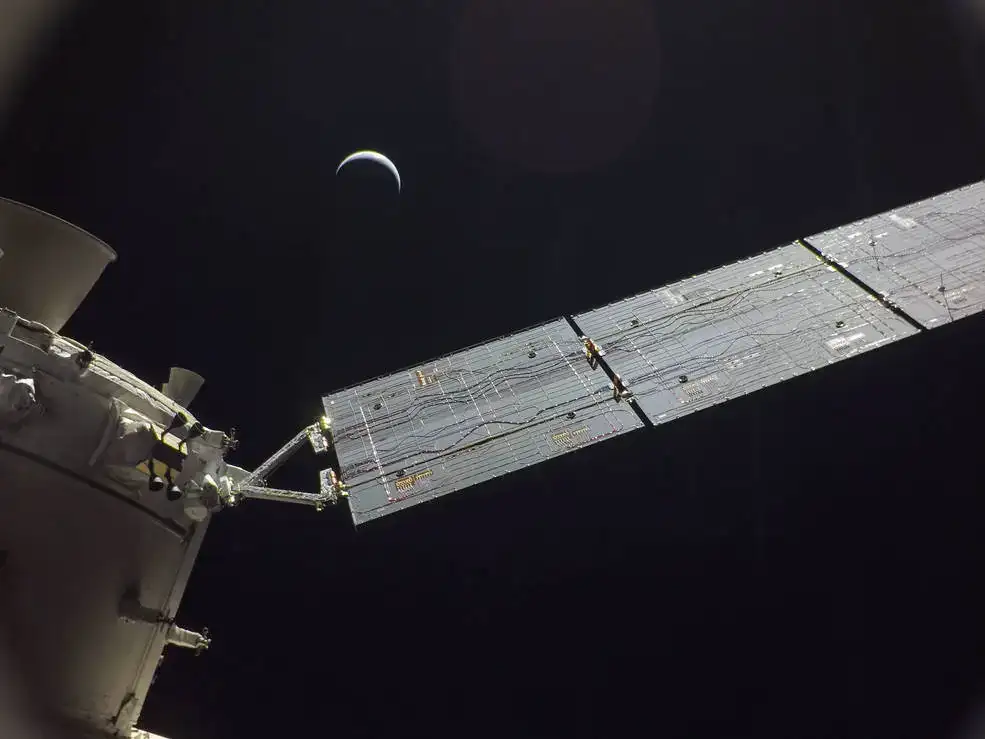
Image Credit: NASA
Frequently Asked Questions (FAQ)
- How is the new Artemis suit different from the Apollo suits?
The xEMU offers greatly enhanced mobility at the hips and waist, advanced dust resistance, a more portable life support system, and is designed to fit a wider range of body sizes, enabling more complex scientific work. - Who is building the new spacesuits for NASA?
NASA has selected Axiom Space to develop the next-generation spacesuits for the Artemis missions, building upon the prototype work done on the xEMU by NASA engineers. - Why is the lunar South Pole the target for Artemis III?
The South Pole contains Permanently Shadowed Regions that are believed to harbor water ice, a critical resource for future exploration, and it offers a unique geological record of the solar system’s history. - How long can an astronaut work on the Moon in the new suit?
While final specifications are being tested, the xEMU is designed to support moonwalks (EVAs) lasting up to 8 hours, allowing for extensive scientific fieldwork. - Will these suits be used for missions to Mars?
The xEMU is a critical stepping stone. The technologies and lessons learned from its use on the Moon will directly inform the design of even more advanced suits required for the Martian environment.
Sources
- https://www.nasa.gov/centers-and-facilities/johnson/spacesuit-for-nasas-artemis-iii-moon-surface-mission-debuts/
- https://www.nasa.gov/missions/artemis/artemis-iii/
Author comment
I find all of this very fascinating, and for this and other reasons, I am very excited to start this project, even if I am alone. We will see how it develops in the future. Along the way, I may have more friends to write and/or rewrite specific articles. Now I am going to add a more detailed article about the International Space Station. Come with me, and let’s learn and inform ourselves together.

HJunior
I am Humberto Junior, SEO Writer, Copywriter, and enthusiastic and passionate about technology, Science fiction, Astronomy, Alien Civilizations, Excosmology, etc future blockchain programmer.
Facebook
Twitter
LinkedIn
Instagram
Youtube
Edit Template