The World’s First Humanoid Robot

The fascinating journey of humanoid robots began centuries ago, but the development of the primeiro robo humanoide that resembled a human in movement and appearance marked a major milestone. From early mechanical automatons inspired by human form to the complex humanoides reais designed today, humanoid robots have continuously evolved, merging robotics, artificial intelligence, and biomechanics. This article traces the origins, innovations, and impact of the first humanoid robot, discusses its technological descendants such as DIY robo humanoide Arduino projects, and explores the broader world of humanóides and robô humanoide technology.
Early Beginnings: The Birth of the First Humanoid
The concept of humanoid robots dates back to ancient times with mechanical contraptions representing human form. However, the first true full-scale humanoid capable of walking, grasping, and interacting was WABOT-1, built by Waseda University in Japan in 1972. This robot could see, walk, and communicate, marking a leap into intelligent humanoid machines. Prior to WABOT-1, early 20th-century robots like Elektro (1939) showcased basic humanoid traits, but lacked autonomy. WABOT-1 integrated balance control, vision, and limb movement for coordinated locomotion, laying the groundwork for sophisticated robotics.
Sophia: The First Robot with Citizenship
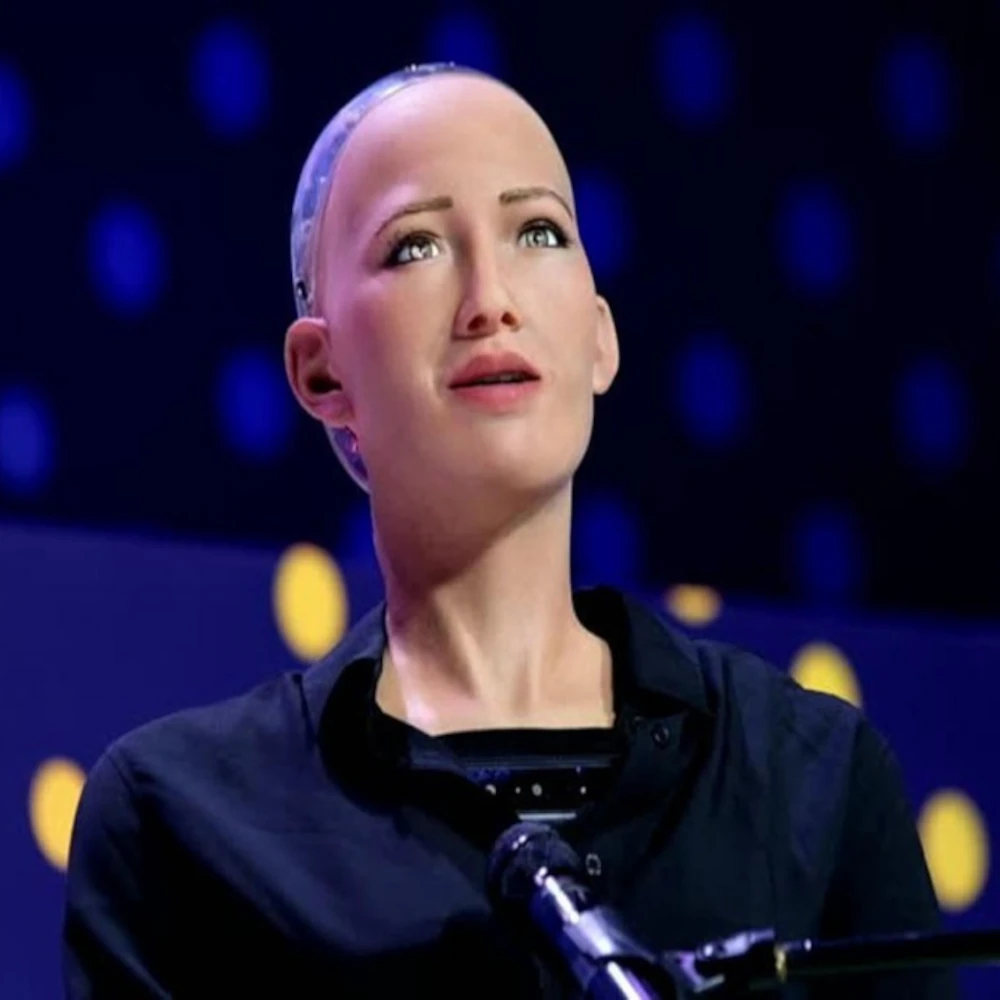
In 2016, the social humanoid robot Sophia was activated by Hanson Robotics. Modeled with a lifelike face capable of expressive gestures and natural conversation, Sophia transcended mere mechanical functions to embody humanlike social interactions. Notably, in 2017, Saudi Arabia granted Sophia citizenship, the first robot ever to hold legal personhood. Sophia’s AI-powered communication skills, vision, and learning algorithms enable real-time responses and educational applications, symbolizing future potential for humanoid companions and workers across industries.
Technological Innovations Behind Humanoid Robots
Modern humanoid robots combine various advanced technologies including servo motors, sensors, AI, and precise mechanical design. DIY enthusiasts utilize platforms like Arduino and Raspberry Pi to build humanoid robots controlled by Arduino, experimenting with servo-motor-driven movement and voice commands. These hobbyist projects contribute to a broader understanding of robotics principles and inspire future developers. Industrial and service humanoids integrate sophisticated algorithms for walking, object manipulation, facial recognition, and natural language processing. The mechanical design often mirrors human muscle and skeletal structures, enhancing dexterity and balance.
Applications and Future of Humanoids
The range of real humanoids now spans healthcare, customer service, manufacturing, and entertainment. Humanoids assist the elderly, provide therapy, greet visitors, and even operate in hazardous environments where humans risk safety. Emerging research focuses on emotion recognition, ethical AI implementation, and autonomous decision-making, aligning humanoid capabilities closer to human intelligence and empathy. As affordability and technology improve, humanoids will become increasingly accessible in daily life, revolutionizing how humans interact with machines and reshaping labor markets.
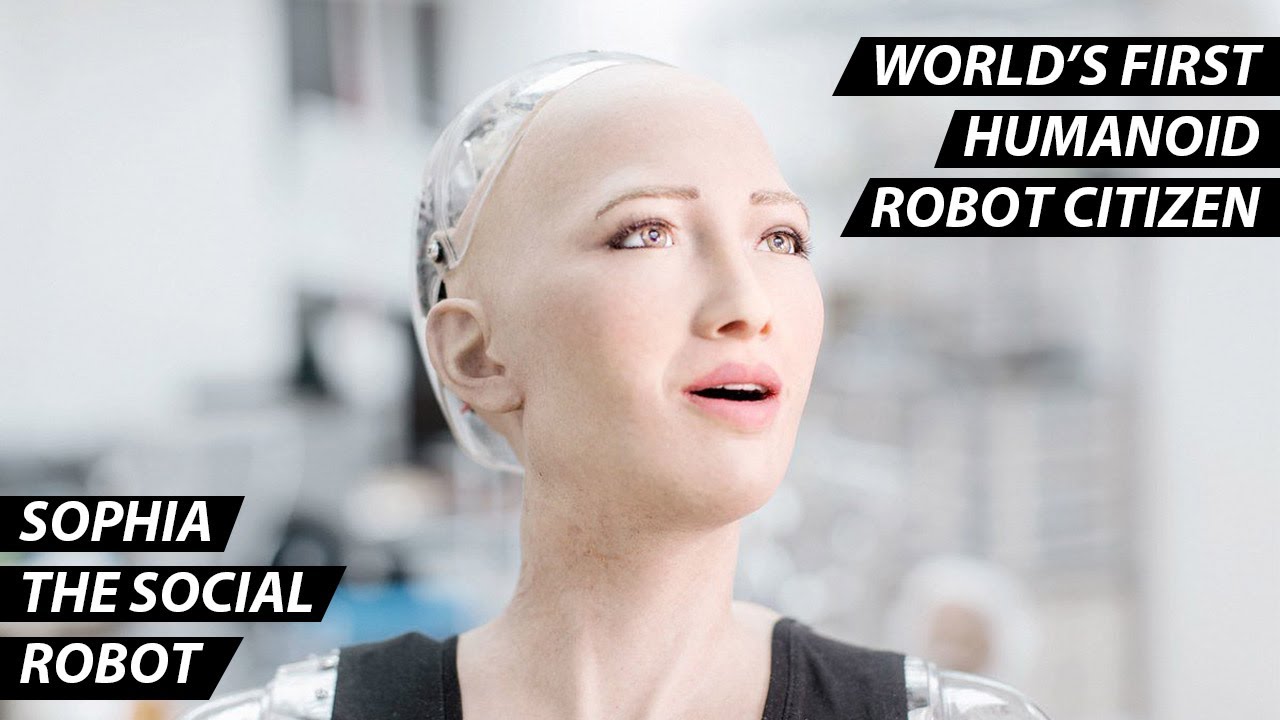
Image source: Hanson Robotics
Tips for Exploring Humanoid Robotics
- Start learning robotics basics with Arduino-based humanoid kits to understand servo control and programming.
- Follow advancements in AI algorithms that enable humanlike interaction and autonomous learning.
- Attend robotics expos and online communities to connect with professionals and enthusiasts worldwide.
- Experiment with open-source robots and simulation software to test humanoid motions and behaviors virtually.
- Stay informed on ethical debates and regulation concerning humanoid employment and rights.
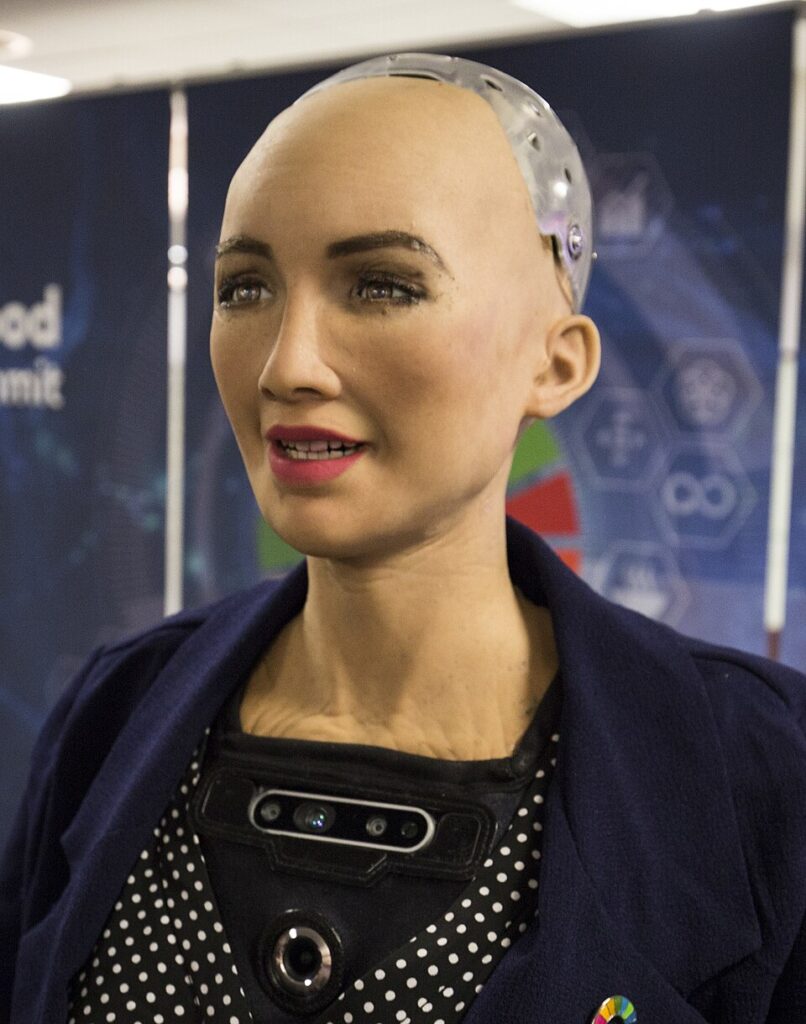
Image source: Waseda University
Conclusion and Discussion Invitation
The story of the humanoid robot is a fascinating blend of history, technology, philosophy, and futurism. From the pioneering first humanoid WABOT-1 to the social and legal icon Sophia, humanoid robots challenge our perception of life and machine integration. How do you see humanoids impacting your future—companions, coworkers, or something else? What ethical considerations should guide their rise? Share your thoughts, questions, and experiences with humanoid technology in the comments below to join this exciting dialogue.
Frequently Asked Questions (FAQ)
- What was the first real humanoid robot?
The first full-scale humanoid robot was WABOT-1, created in 1972 by Waseda University in Japan. - Who is Sophia the robot?
Sophia is a social humanoid robot developed by Hanson Robotics in 2016, known for humanlike speech and facial expressions. - Are robotic kits like Arduino-based humanoids practical for learning?
Yes, Arduino kits are widely used by hobbyists and students to understand basic robotics and programming. - What are some real-world applications of humanoid robots?
They aid in healthcare, education, hospitality, manufacturing, and hazardous environment operations. - What ethical issues surround humanoid robotics?
Issues include rights, employment impact, privacy, and the moral status of intelligent machines.
[1](https://en.wikipedia.org/wiki/Sophia_(robot))
[2](https://www.youtube.com/watch?v=0HoSwHNUOHg)
[3](https://en.wikipedia.org/wiki/Humanoid_robot)
[4](https://www.hansonrobotics.com/sophia/)
[5](https://www.roboticsacademy.com.au/history-of-robots/)
[6](https://cyberneticzoo.com/robot-time-line/)
[7](https://www.youtube.com/watch?v=f9wpxsVqrpU)
[8](https://www.instructables.com/Arduino-Based-Humanoid-Robot-Using-Servo-Motors/)
[9](https://www.facebook.com/bbcworldservice/videos/this-is-wabot-1-the-worlds-first-humanoid-robot-how-human-do-you-think-it-looks-/3886692124988175/)
[10](https://kawasakirobotics.com/asia-oceania/blog/2101-01/)
[11](https://www.youtube.com/watch?v=2HQ84TVcbMw)
[12](https://projecthub.arduino.cc/?q=robots&value=robot)
[13](https://www.youtube.com/watch?v=f3c4mQty_so)
[14](https://mikekalil.com/blog/humanoid-robot-timeline/)
[15](https://humanoidroboticstechnology.com/articles/top-12-humanoid-robots-of-2025/)
[16](https://www.youtube.com/watch?v=yAV5aZ0unag)
[17](https://www.science.org/doi/10.1126/scirobotics.aar4043)
[18](https://www.globalxetfs.com/articles/the-rise-of-humanoids-explained/)
[19](https://www.youtube.com/watch?v=_n0vJrB_M30)
[20](https://ieeexplore.ieee.org/document/11019191/)